
Sign up for our Mewsletter!
Shelter Cats Calendar
Pre-order your 2027 Silly Shelter Cats Calendar today! Orders placed by 10/20/26 will receive free shipping.
Nibbles &
Kibbles
Cat Care Society’s emergency food bank offers cat food and supplies to people experiencing temporary financial challenges. Open 1st and 3rd Saturdays, 10 a.m. to noon.
Our Mission
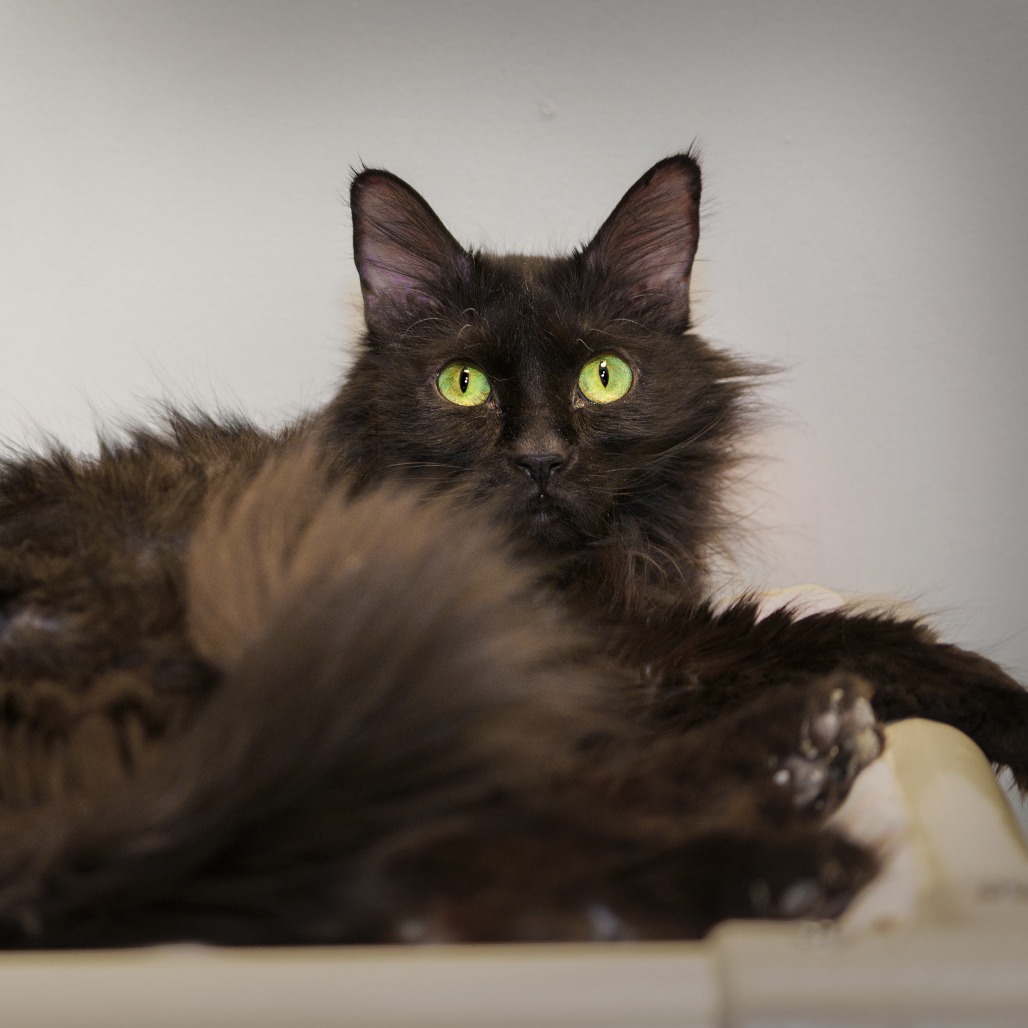
Meet Olive
Lonely Hearts Club Member
Olive is a spunky 8-year-old diabetic cat. With a mischievous personality, she’s quickly become a favorite amongst the staff at CCS. If you adopt Olive, we assure you there will never be a dull day in your household again! View her profile to learn more.
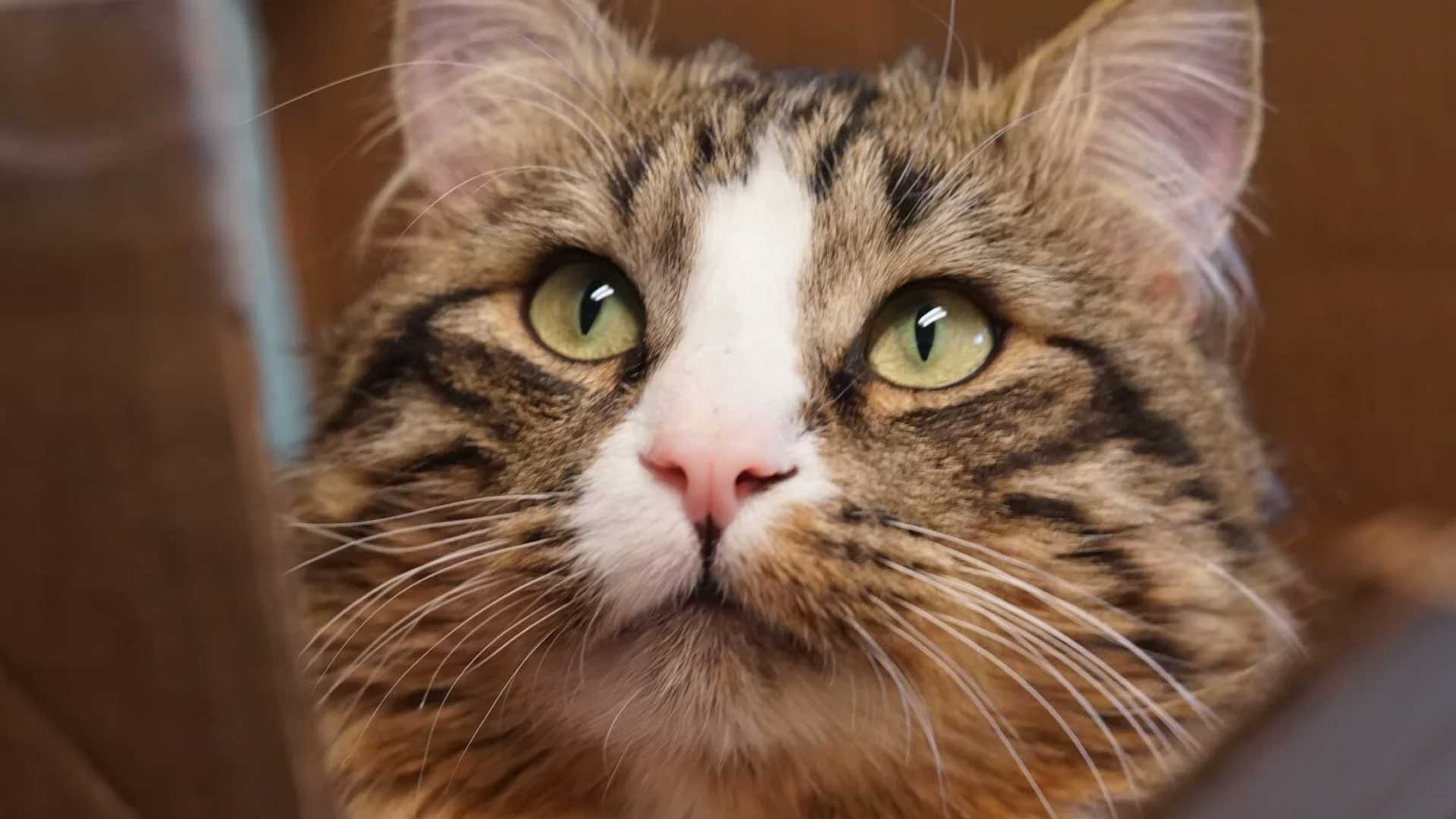
Adopt
Save a life and find your new best friend while opening up more space in the shelter. After picking out your purrfect match, apply to adopt!
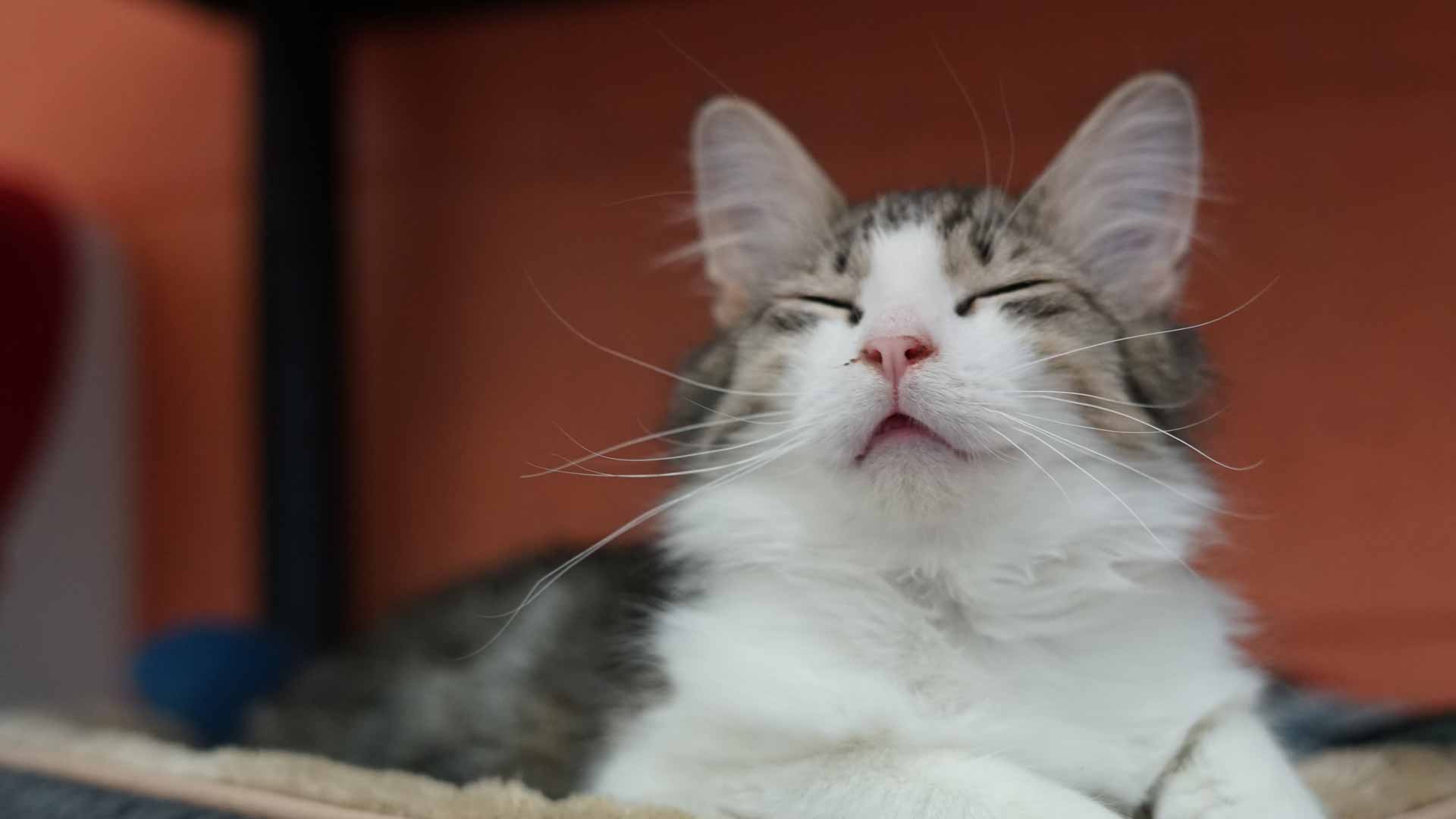
Foster
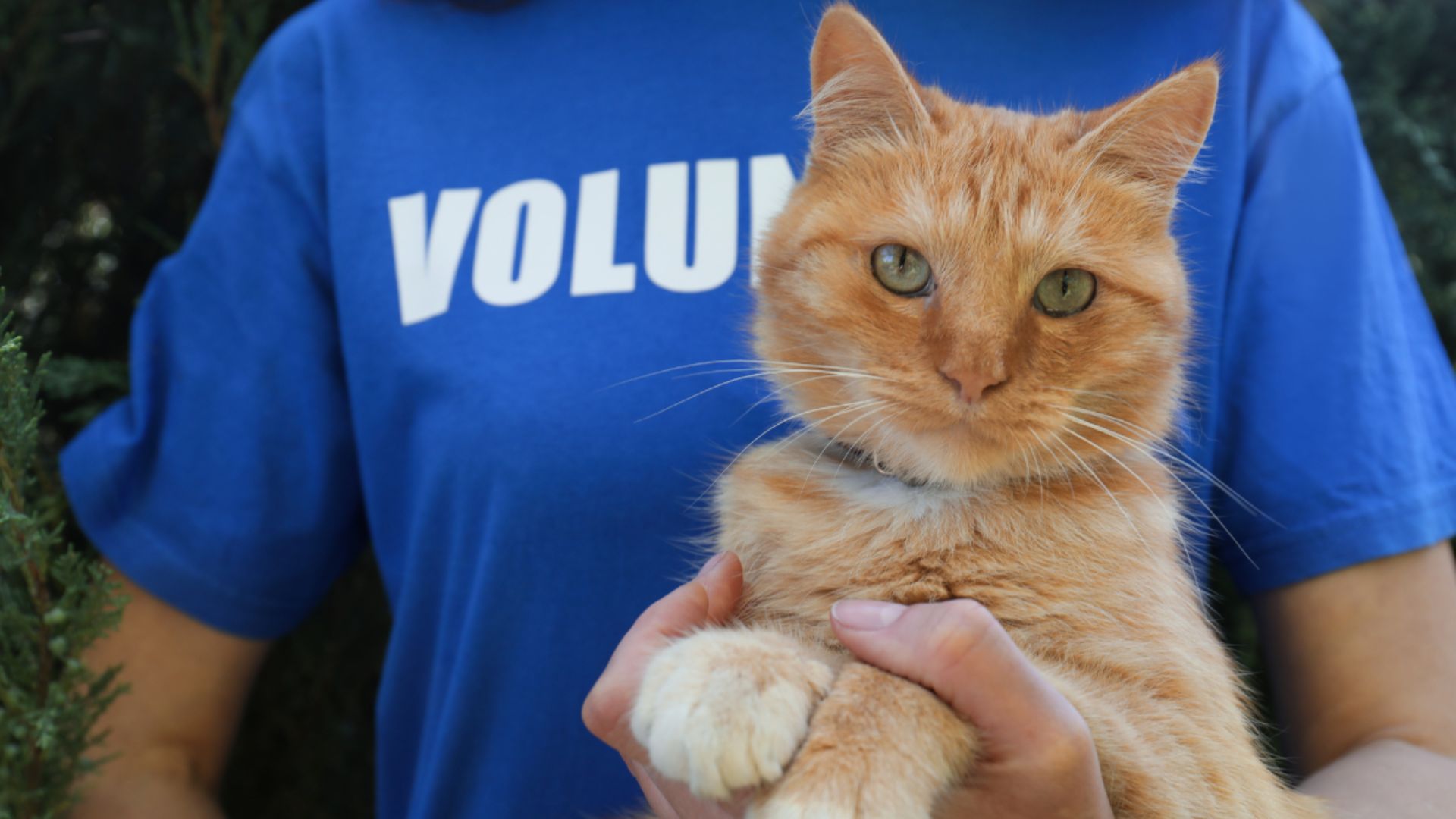
Volunteer
Get involved by giving back! We have many volunteer roles available to help support the cats in our shelter. A few hours can make a world of difference.
Upcoming Events
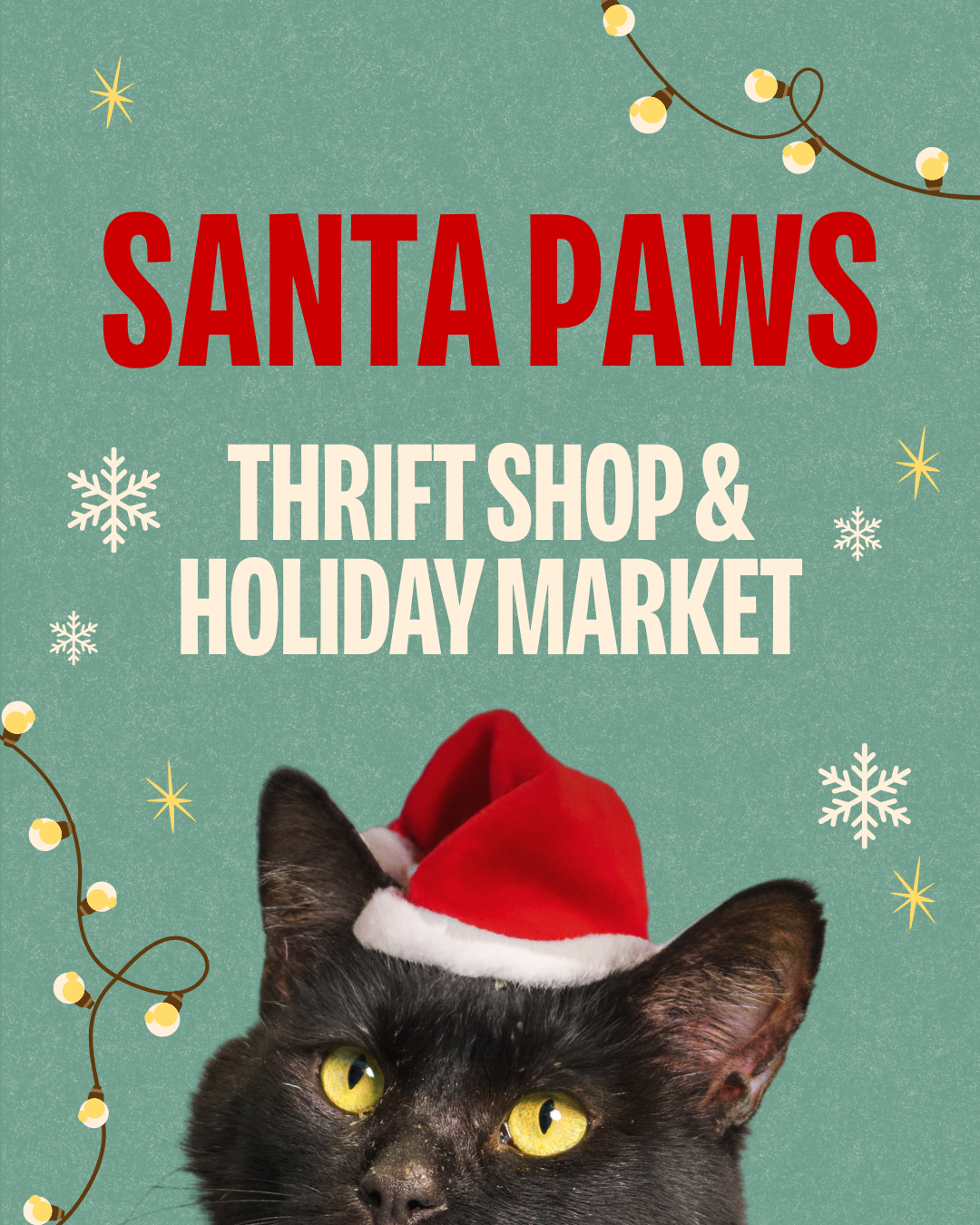
Santa Paws

Cats on Mats – Shelter Yoga November
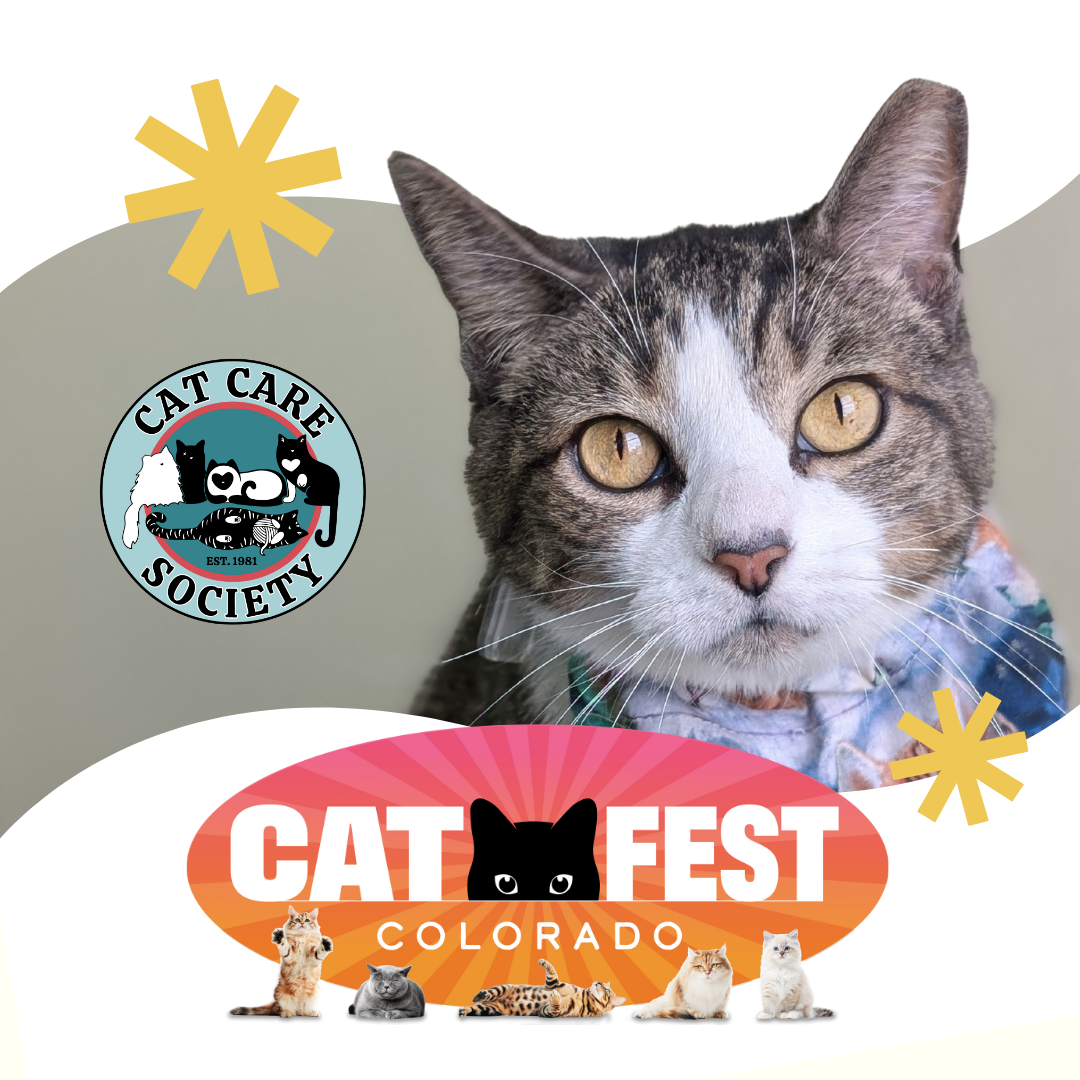
Cat Fest Colorado
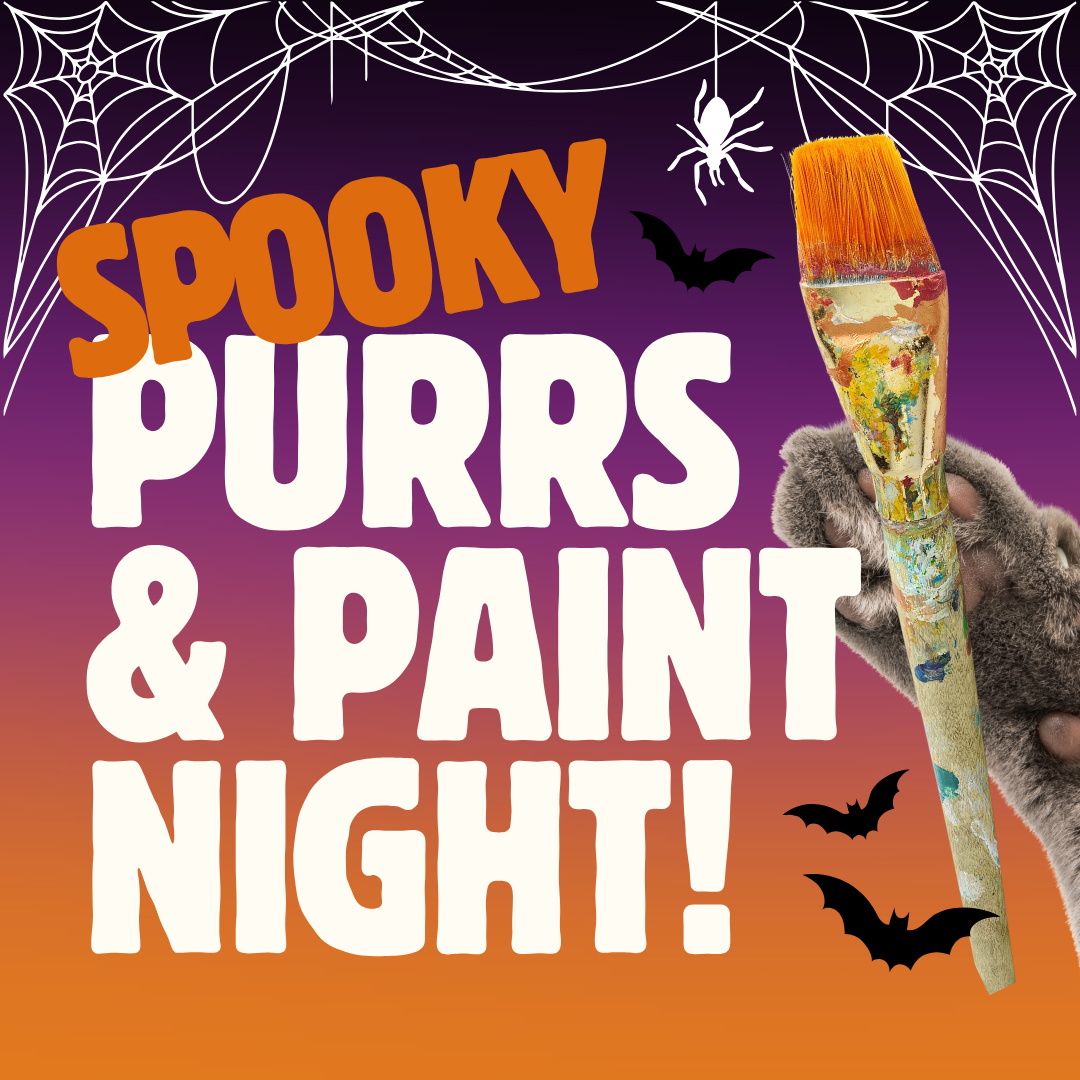
Purrs and Paint – SOLD OUT
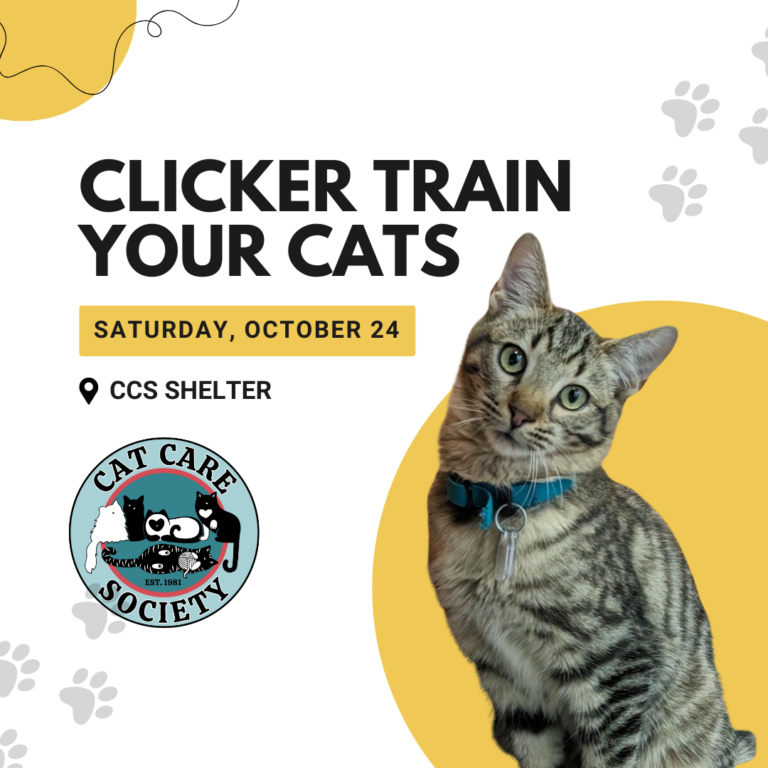
Free Seminar: Clicker Training Your Cats
Cats on Mats – Shelter Yoga October
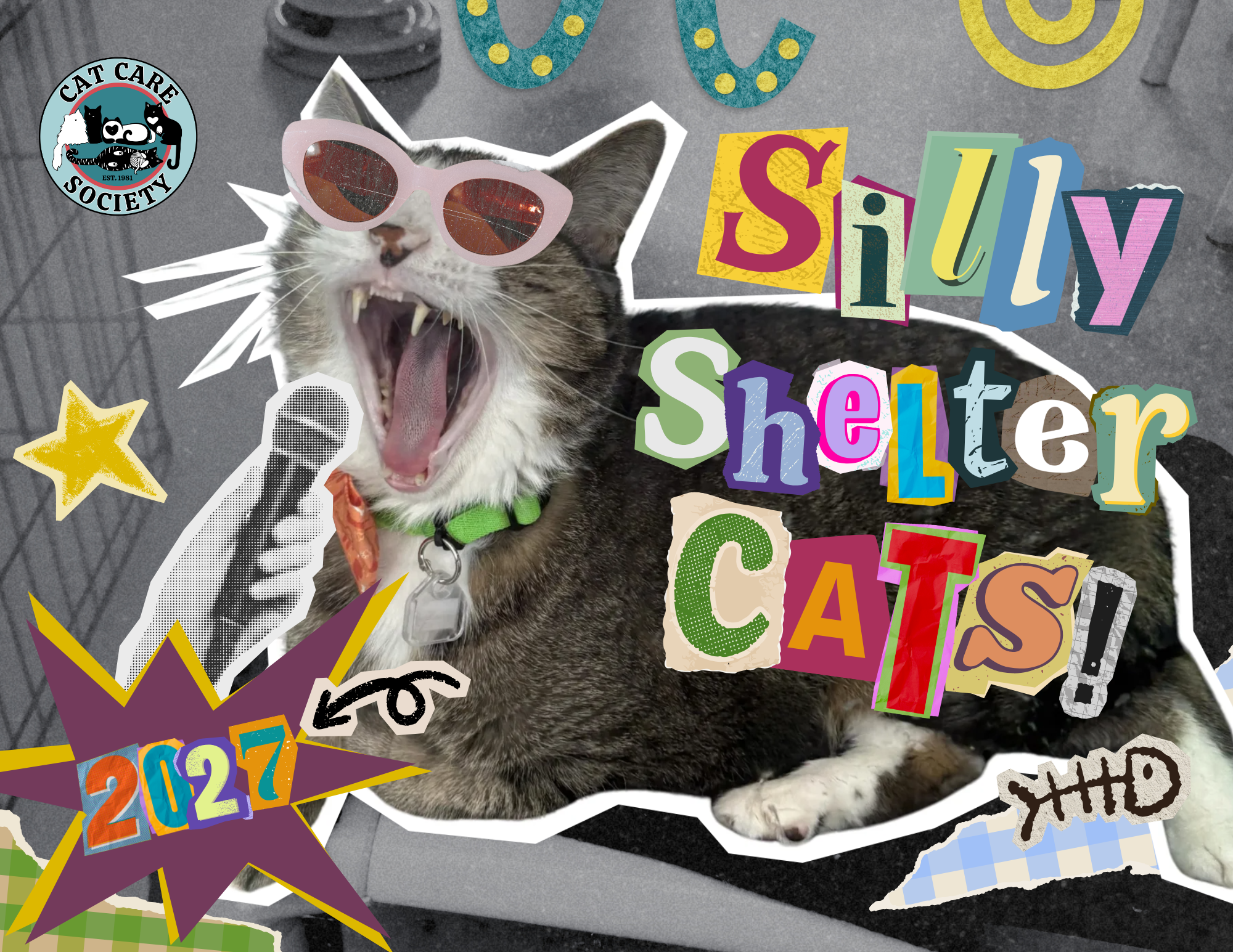
2027 CCS Calendar Photo Submission

Meow-loween Cat Takeover at New Terrain Brewing Co.
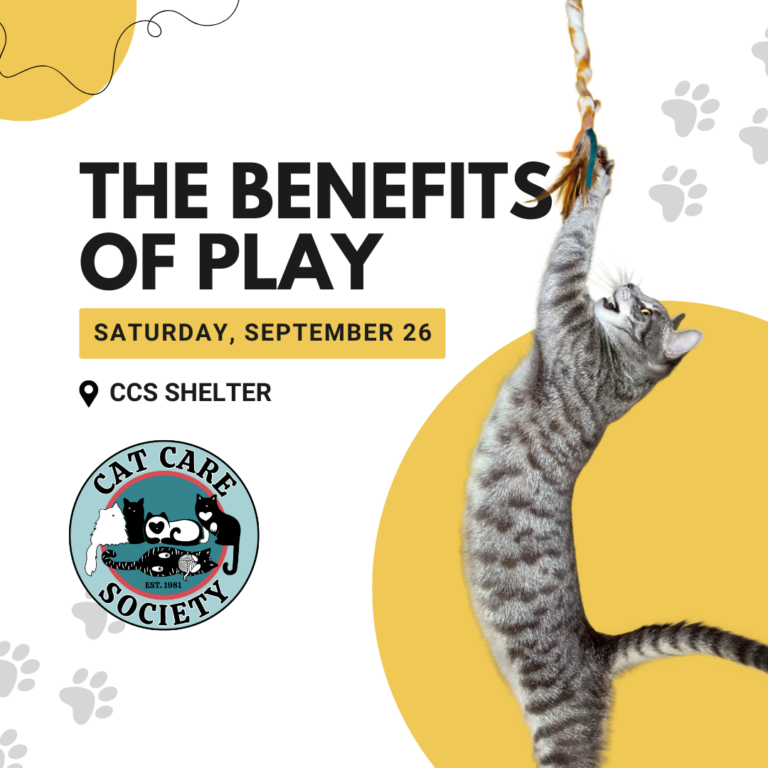
Free Seminar: The Benefits of Play

Duet Drag Show Benefitting Cat Care Society

Free Seminar: Estate Planning with Your Pets in Mind

2027 Tails of the Painted Cats Artist Applications
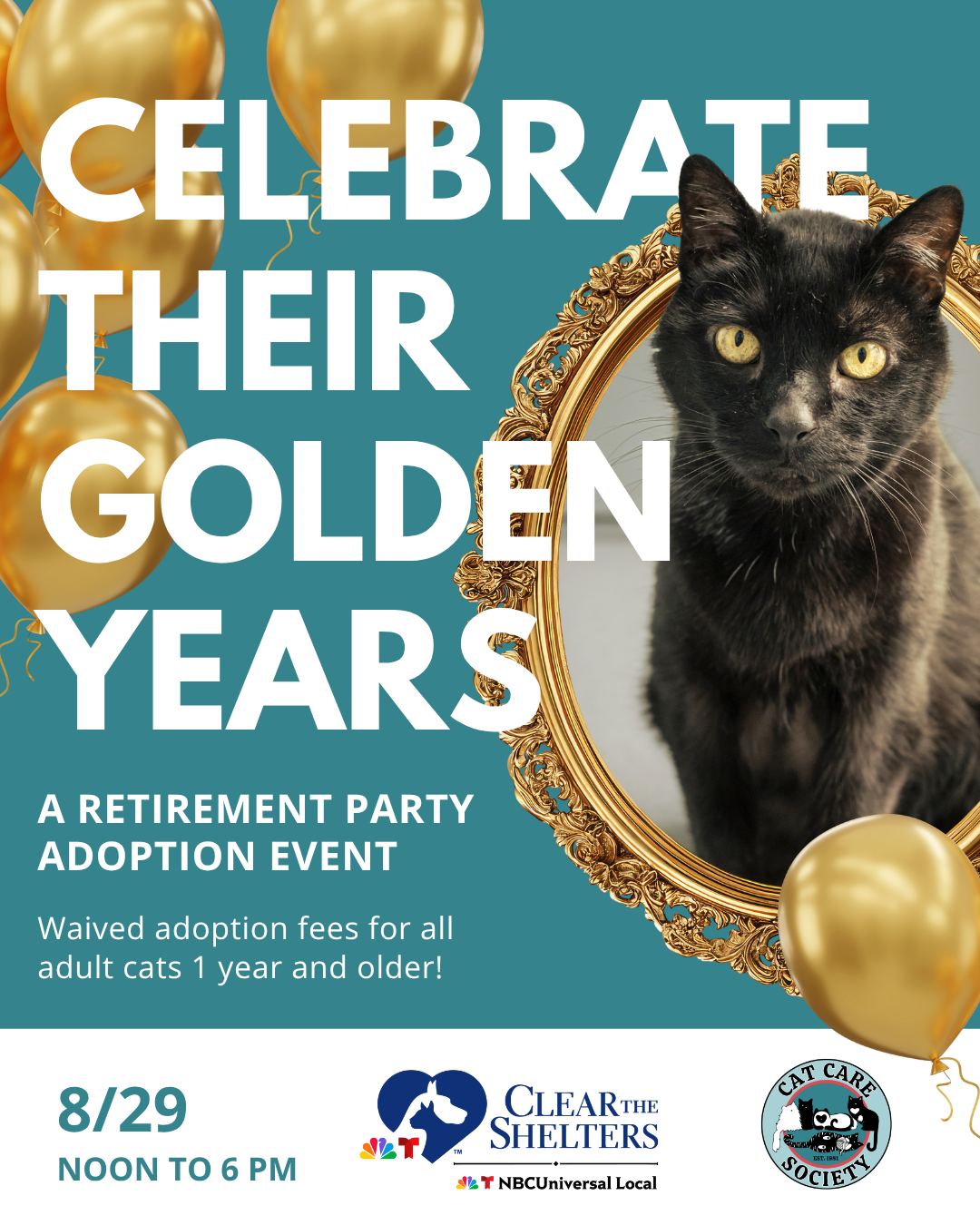
Kitty Retirement Party: Clear the Shelters
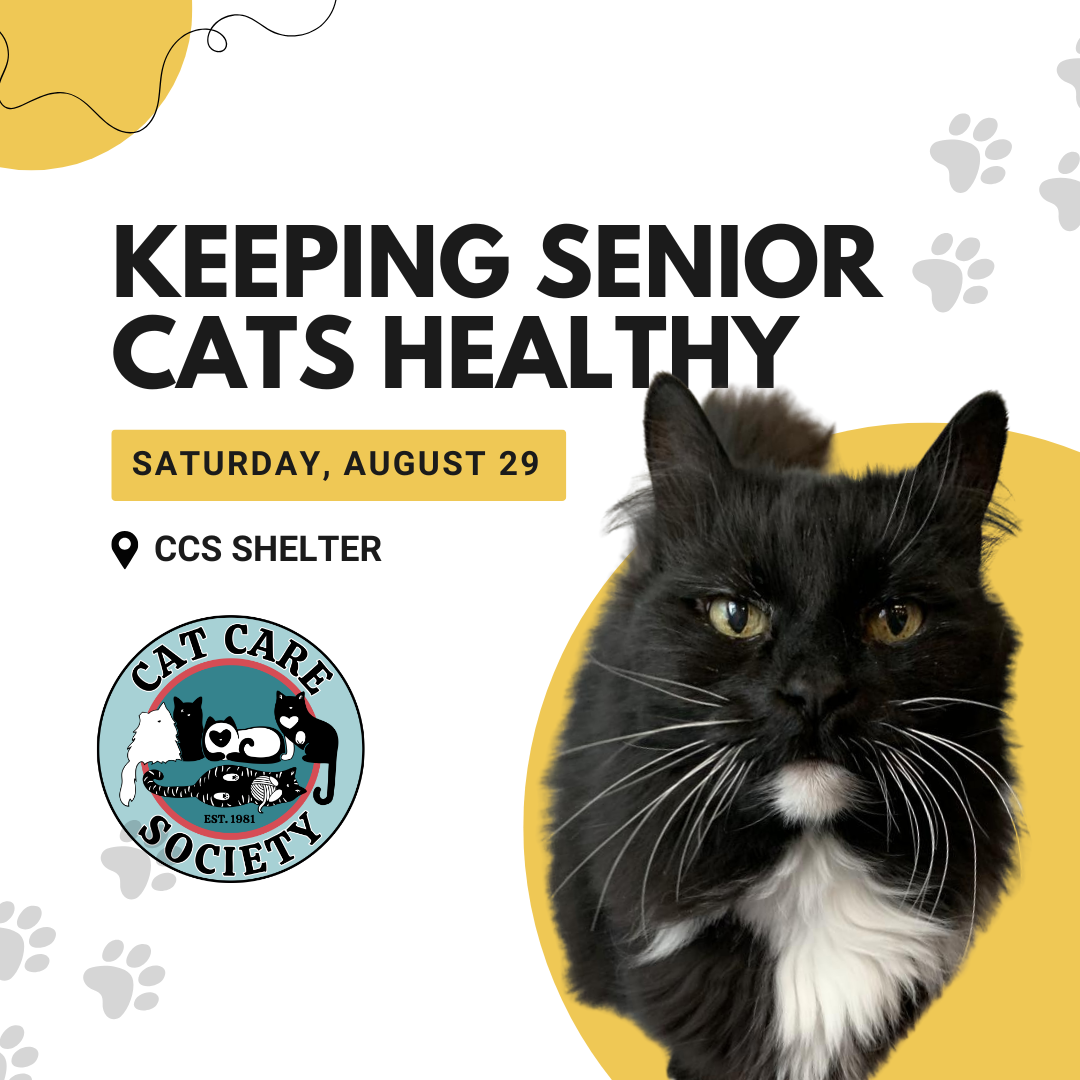
Free Seminar: Keeping Senior Cats Healthy

Paws on the Green: Golf Tournament
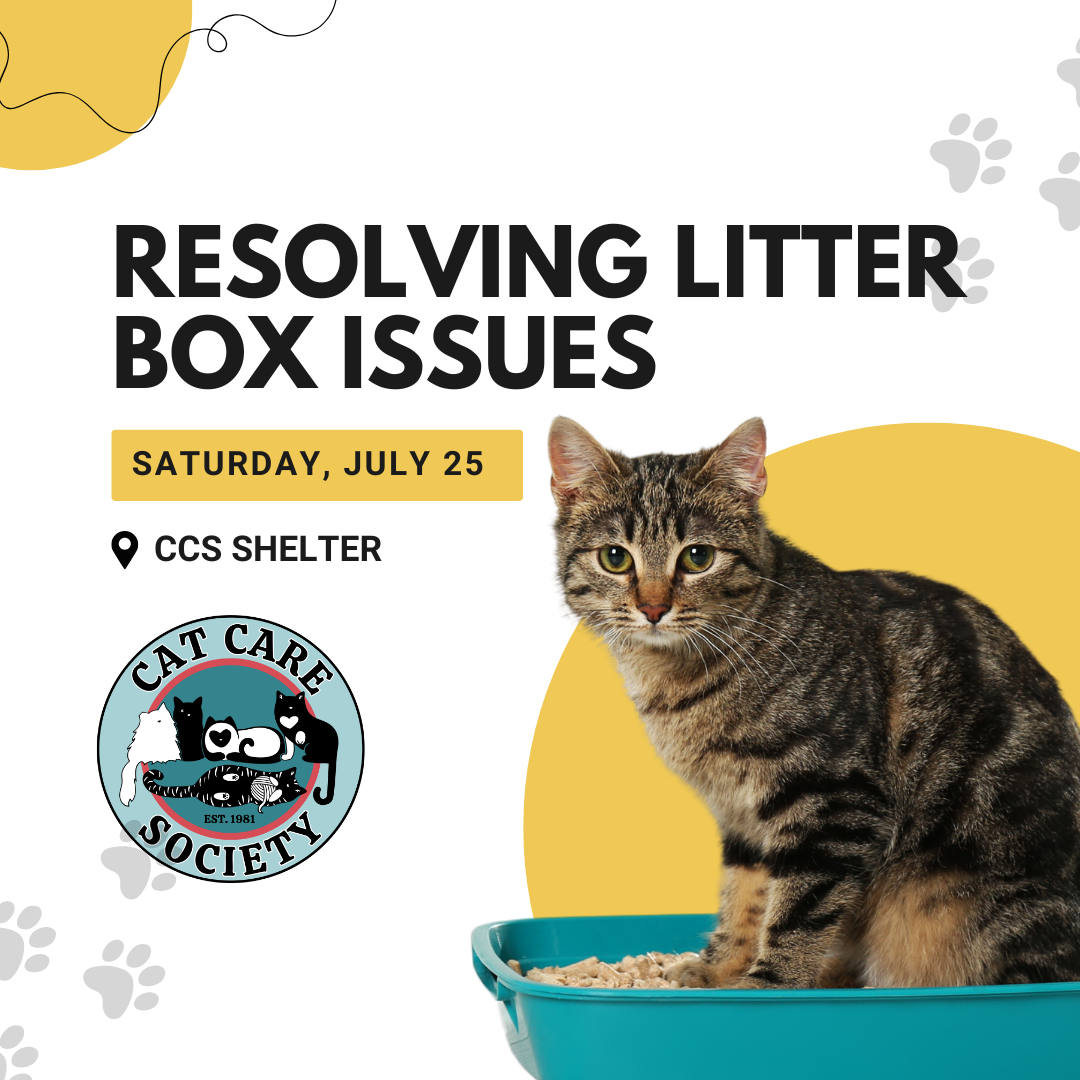
Free Seminar: Resolving Litter Box Issues
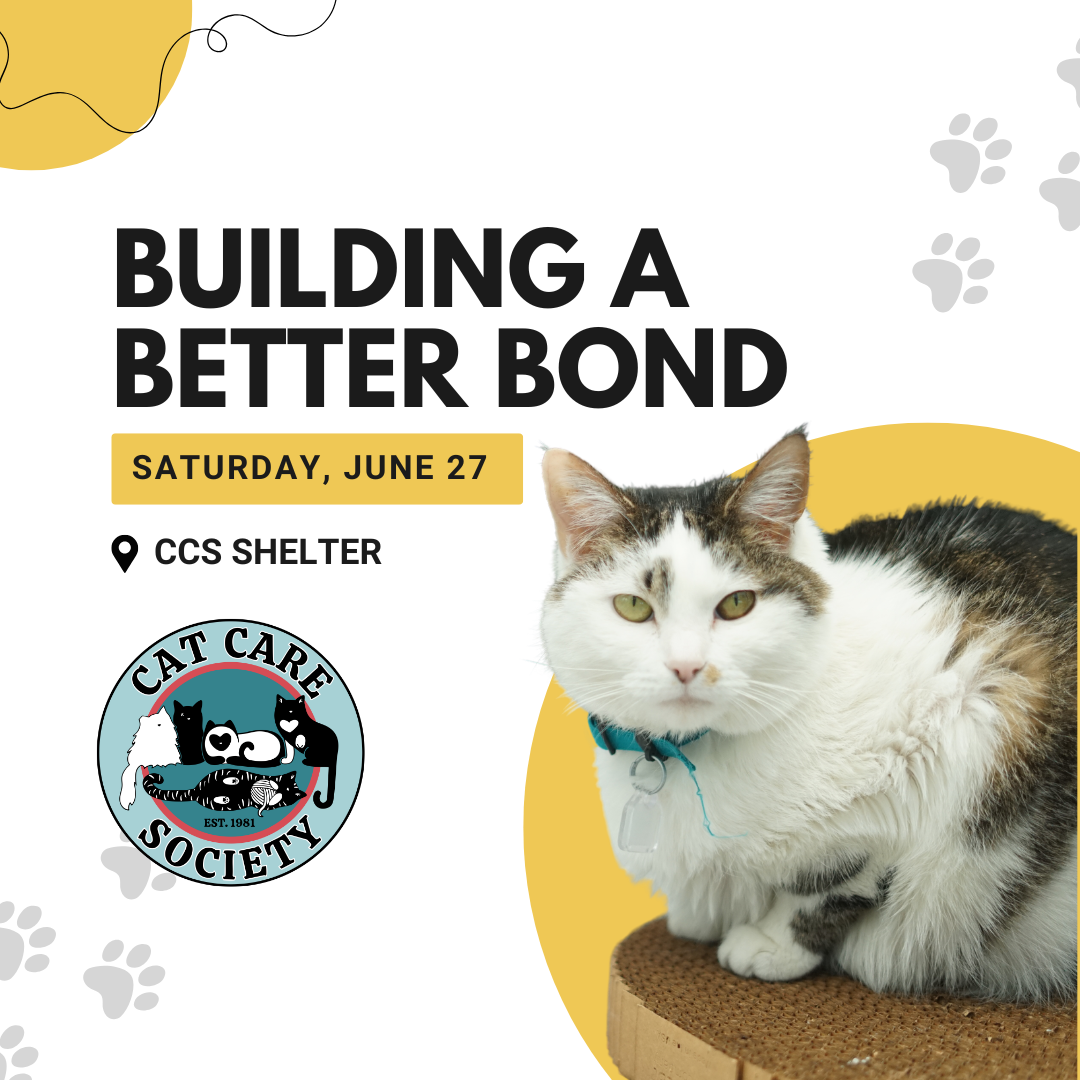
Free Seminar: Building a Better Bond with Your Kitty
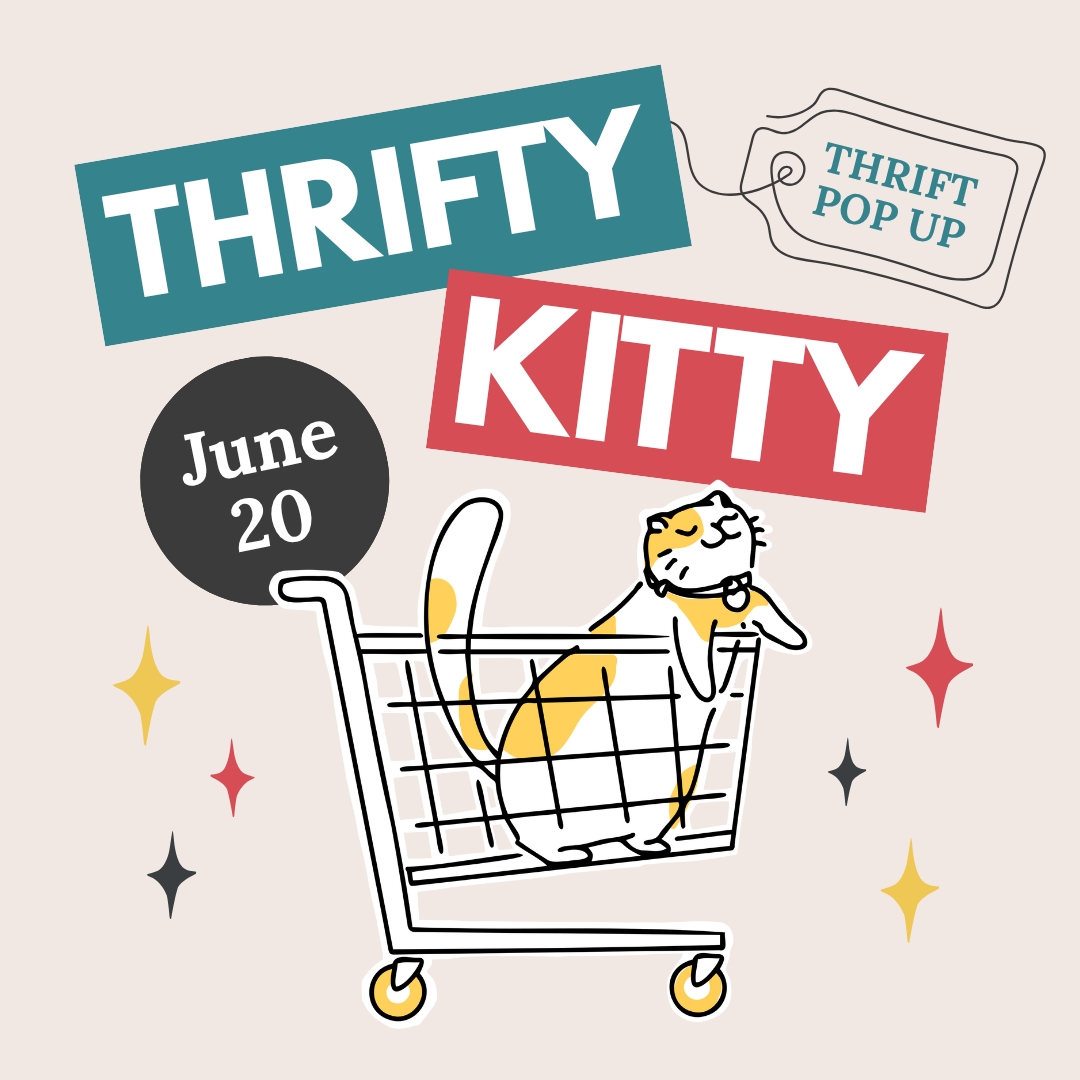
Thrifty Kitty Pop Up Shop
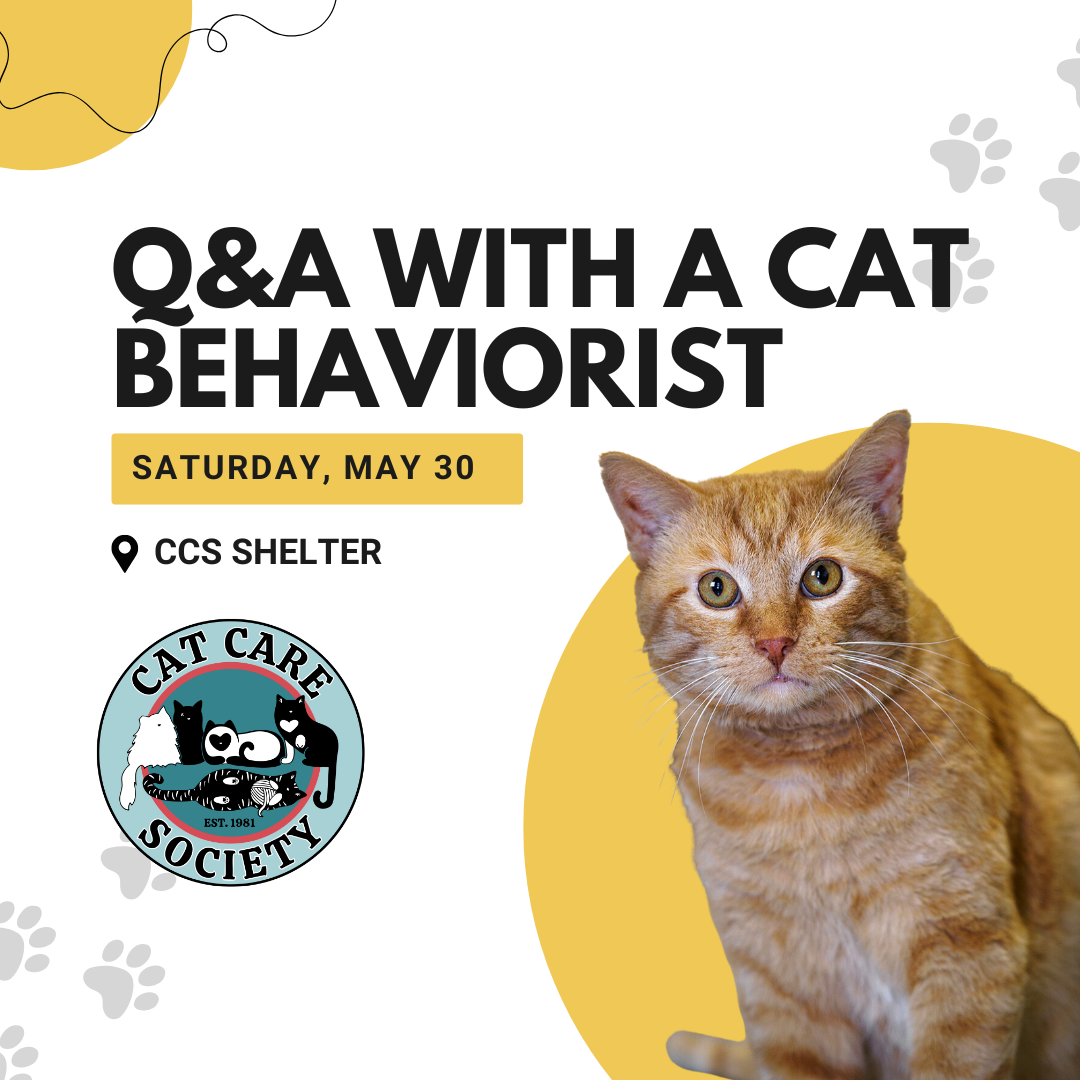
Free Seminar: Q&A with a Cat Behaviorist
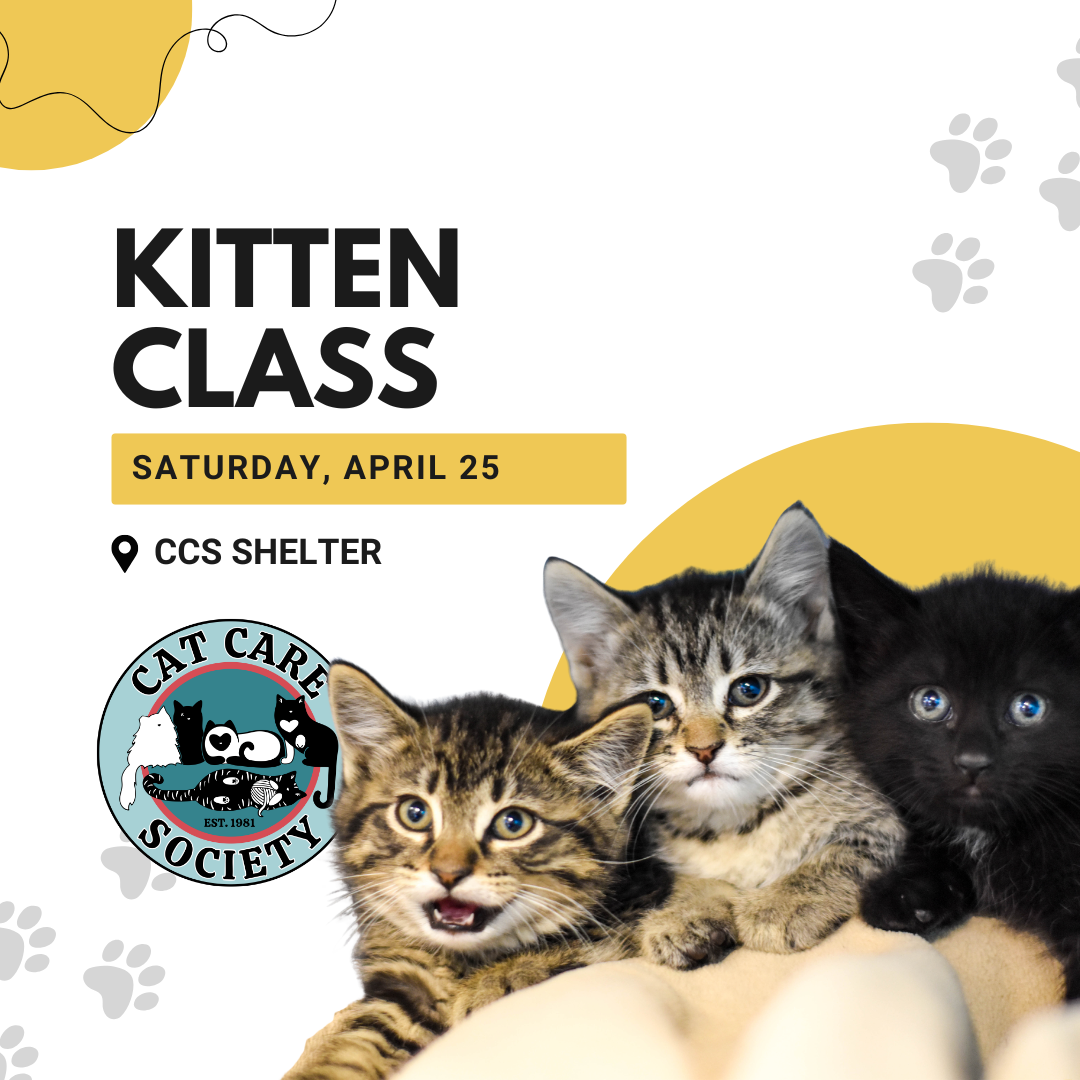
Free Seminar: Kitten Class
The Whisker Whisper Blog
Charting Maggie’s Path Home
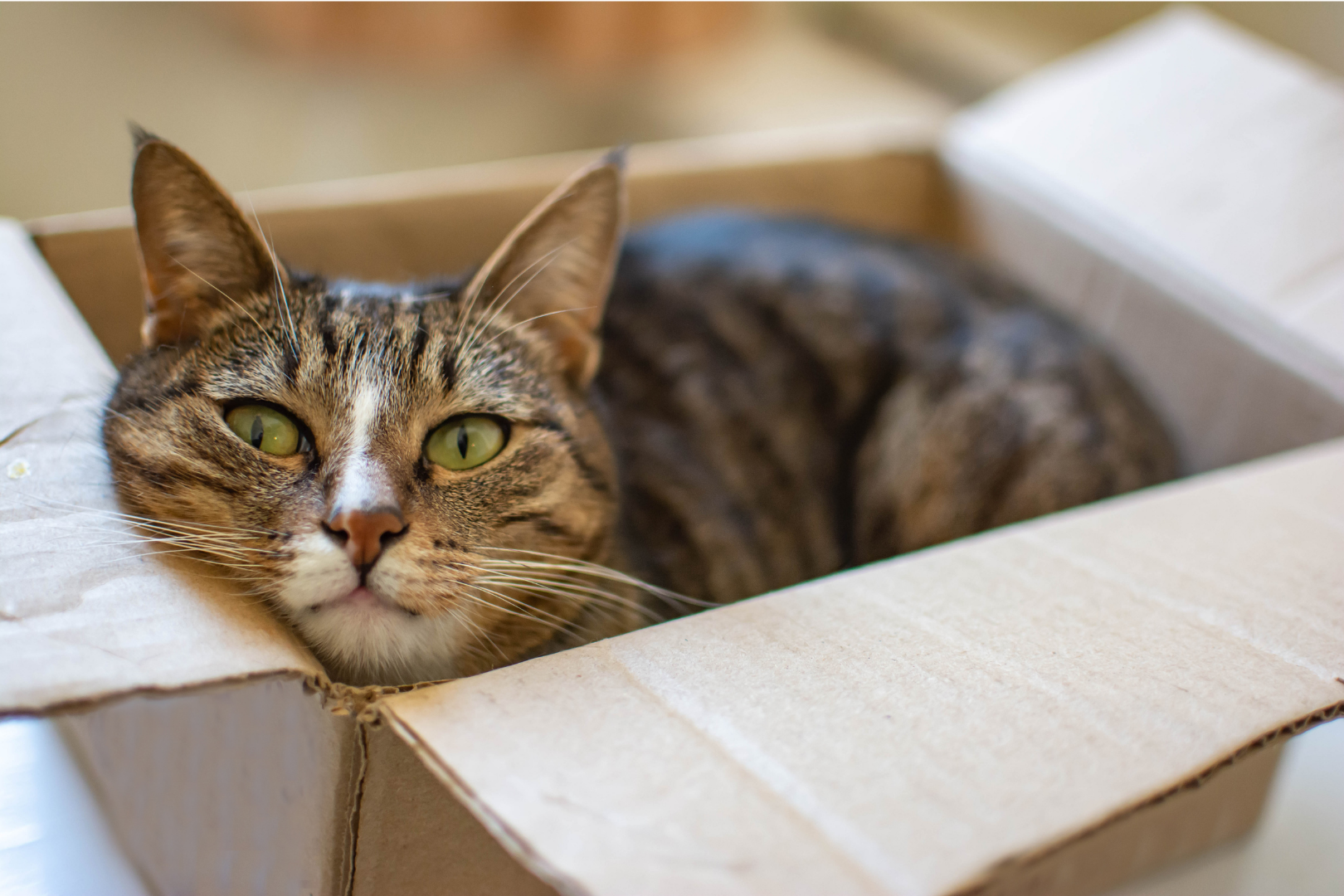
Decoding Quirky Cat Behaviors
Cats add love, companionship, and a sense of comfort to our lives. They also add a lot of whimsy, silliness, and charm through their everyday behaviors and natural instincts. This article highlights five common quirky behaviors cats exhibit and explains why they do them. It also discusses one common behavior that can be harmful to your cat’s health and may require medical attention or lifestyle changes.
- Sleeping inside tiny boxes and other small spaces: Tight and enclosed spaces provide warmth, reduce visual exposure, and help cats feel protected against potential threats. Research has shown that access to boxes can reduce stress and improve adaptation when cats enter unfamiliar environments, such as shelters or new homes. This is one of the reasons CCS provides a variety of bed and hiding options for cats in our care.
- Head-butting (bunting) people and household objects: When a cat presses or rubs its face against you or objects around your home, it’s depositing facial pheromones. This scent-marking behavior helps create a familiar, safe environment and also serves as a social bonding behavior toward trusted individuals. It’s recommended to rotate cleaning your cat’s bedding and your cat’s favorite areas around the home so that some items and spaces retain the cat’s scent for continuity and to minimize stress. Bunting can also indicate that your cat wants human engagement, such as pets, treats, or other favorite interaction. Additionally, a cat’s reliance on chemical and olfactory information is why synthetic pheromone products (like Feliway) can work so well in having a calming effect for cats in stressful or unfamiliar situations.
In most areas of CCS, we spot-clean daily and deep-clean weekly to help preserve the cats’ familiar scents on bedding and furniture they’ve rubbed their faces against. This reduces stress and allows them to feel safe and comfortable.
- Bringing you “gifts”: If your cat brings you mice, toys, or other prizes, they may be trying to teach you how to hunt. Mother cats, in particular, are known to bring dead or weakened prey to their offspring so they can practice their hunting skills. When cats bring humans mice or toys, they may be practicing their instinctive social behavior and trying to teach us to hunt. Another supported explanation is that cats instinctively bring their prey to a secure location before consuming it or interacting with it, and they feel safest around you—what an honor!
- Getting “the zoomies”: While the technical term is “frenetic random activity periods” (FRAPs), most cat owners know the energetic sprints cats get after periods of rest or using the litter box simply as the zoomies. This activity helps them expend accumulated energy, similar to wild cats that experience long stretches of rest followed by brief, intense hunting intervals. Indoor cats may express this natural activity pattern, especially at dawn and dusk, when they are naturally most active. If your cat has marathon zoomies that last longer than a few minutes and interrupt your sleep, try adding more playtime in the evenings, around an hour before your bedtime, to help burn extra energy.
- Slow blinking with their humans: Slow blinking, which includes narrowing their eyes and half-way closing their eyes, is a way that cats communicate positive feelings towards a human. It’s a way for them to say, “I feel comfortable around you, and I am not a threat.” Importantly, research shows that cats are responsive when humans initiate slow blinking, which can help them relax in new or stressful situations. Although cats sometimes slow blink with other cats, they primarily rely on other body language and scents to communicate, making slow blinking extra special to the human-cat bond.
- Chewing on non-food items like plastic, hair ties, cat litter, and shoelaces: While many kittens do this and often outgrow it, some cats develop or continue their fascination and mastication of household objects into adulthood, with plastic being the most commonly reported. This condition of eating non-food items is called pica, and different factors can contribute to this potentially harmful behavior. Cats may do it out of boredom or to express their natural hunting instincts. Additionally, research shows that cats who are free-fed (vs. scheduled feeding) are less likely to develop pica. Stress, underlying gastrointestinal issues, anemia, dental pain, and genetics—including being an Oriental breed of cat—are also possible reasons a cat develops pica.
Simply chewing on these items isn’t a major concern, but accidentally or intentionally swallowing them can cause intestinal blockages which can be life threatening.To deter this behavior, switch up their feeding style, keep the non-food items out of reach, and provide alternative safer chewing treats or toys. Because pica can be caused by so many different things, it’s also recommended to consult with your veterinarian to help identify your specific cat’s potential contributing health issue.
If your cat has consumed any non-food items or you suspect they have, contact your veterinarian right away. Signs include vomiting, diarrhea, constipation, lethargy, and reduced appetite.
Every cat has their idiosyncrasies, but many of their quirks are rooted in innate behaviors that have been passed down from their ancestors, helping them to survive for thousands of years. Understanding the “why” behind these behaviors isn’t just fun trivia, it can also help you improve communication with your cat, create an environment that supports their wellbeing, and identify when a behavior may be a health concern that needs further investigation. When a cat zooms across the room, brings you a favorite toy, or gives you a little head bunt, they’re simply being themselves, and each moment is a special opportunity to strengthen the bond you share.
Check out the Behavior section of our blog to learn even more about why cats do the things they do!
About the Author: Beth Dokolasa is a volunteer for Cat Care Society and serves on the Board of Directors. She is an instructional developer for Natural Grocers and lives in Indian Hills, Colo., with her husband, daughter, and two cats, Techno and Digit.
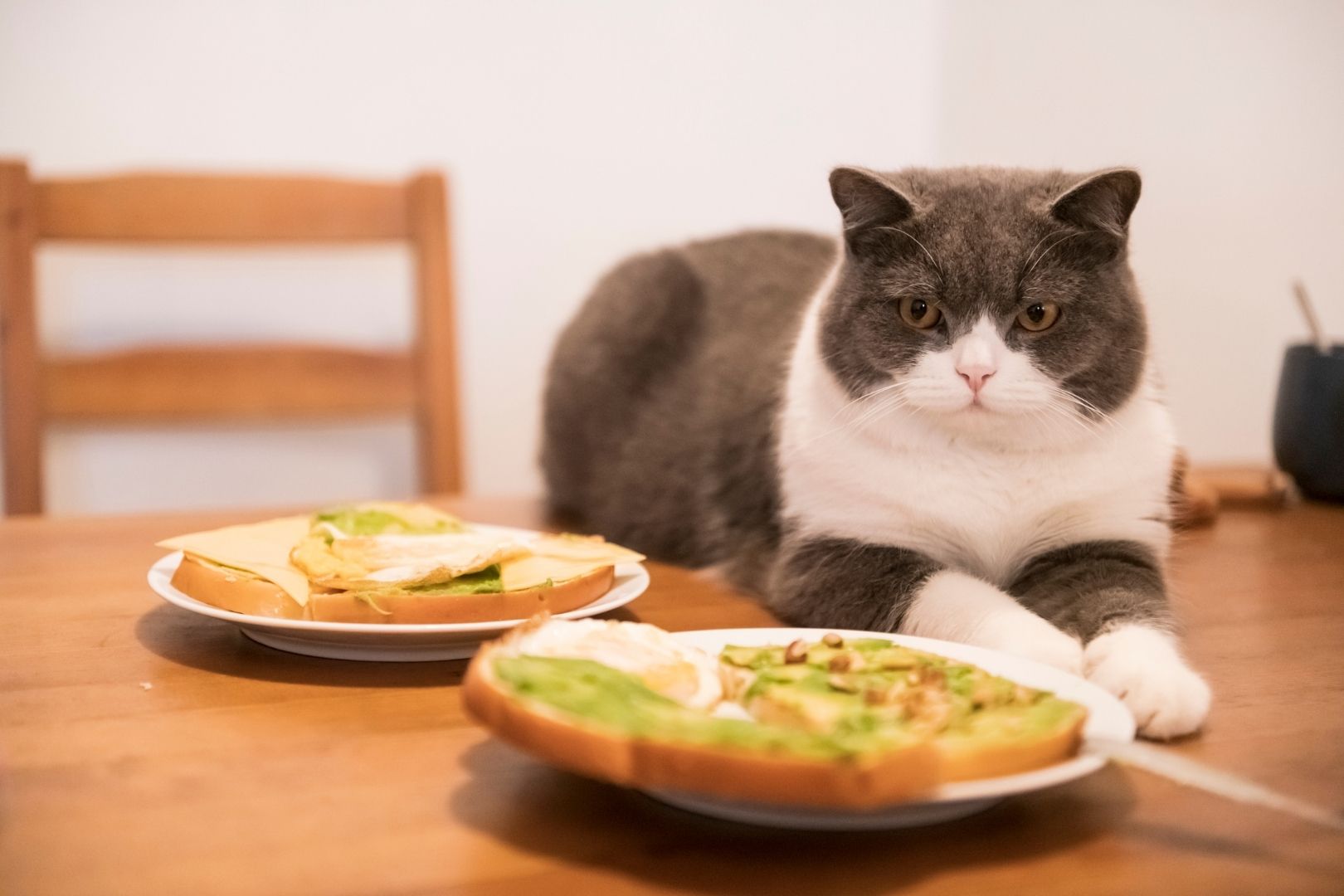
Dangerous and Toxic Foods Every Cat Owner Should Know About
Cats are known to be curious and that curiosity often extends to the foods around them. While it may be tempting to share table scraps or leave certain foods within easy reach, some common human foods can be toxic to cats. Unfortunately, many of these foods are household staples and may even be hidden ingredients in prepared dishes, making accidental exposure easier than you might think.
Below are some of the foods that pose the greatest risk to cats, along with a few common foods that may not be toxic but can still cause digestive upset and other unpleasant reactions.
The OGs: Onion and Garlic
Onions and garlic, along with their botanical relatives shallots, scallions, chives, and leeks, can severely damage your cat’s red blood cells, causing anemia. Be aware that cooking spices like garlic powder and onion powder are more concentrated, making them even more dangerous. Cats who have consumed these foods often show lethargy, weakness, reduced appetite, pale gums, and orange to dark red urine.
Say “Naw” to Raw Eggs, Meat, and Bones
Just like for humans, consumption of raw eggs or raw meat can lead to Salmonella or E. coli poisoning in cats. Symptoms of the illness vary but can include vomiting, diarrhea, and lethargy. Salmonella and E. coli can also be transmitted from humans, so be careful to properly wash your hands after cooking in addition to keeping your cat away from these raw foods. Raw eggs also contain an enzyme that can lead to skin and coat problems in cats. Raw bones are another no-go as they can cause choking, obstruction in the digestive tract, and/or teeth damage.
Paws Off the Chocolate!
The same part of chocolate that makes it poisonous for dogs (compounds called methylxanthines) is just as toxic for cats. Symptoms after consumption include vomiting and diarrhea, high body temperature, muscle tremors, abnormal heart rhythm, abdominal discomfort, increased thirst, and seizures.
Lemon Be Clear: No Citrus
The stems, leaves, seeds, and peels of citrus fruits (oranges, limes, grapefruits, lemon, etc.) all pose health concerns for cats. The citric acid and essential oils they contain can be irritating to your cat’s nervous system, leading to tremors, seizures, or death. If you use essential oil diffusors, choose oils and blends that do not contain citrus. Note that consuming a small amount of a citrus fruit’s flesh is less problematic, at most causing an upset stomach.
You Heard It Through the Grapevine: No Grapes or Raisins
While toxicity is not as common as some of the other foods discussed, feeding your cat grapes and raisins should be avoided. Some cats demonstrate restlessness, a reduced appetite, and vomiting after eating grapes and raisins, and there is some concern that they also negatively impact kidney health. While the exact compound hasn’t been identified yet, it appears that it’s something in the grape’s flesh that causes health issues for cats.
Water Is the Cat’s Meow—No Caffeine, Alcohol, or Cream
Cats do best with clean, fresh water, as proper hydration is essential for preventing urinary and kidney problems. While dairy products such as milk and cream are not toxic to cats, many cats have difficulty digesting lactose, which can lead to nausea and diarrhea. Caffeine and alcohol, however, should never be given to cats. Caffeine contains methylxanthines, the same toxic compounds found in chocolate, while alcohol can cause serious symptoms, including vomiting, diarrhea, tremors, disorientation, breathing difficulties, and even death.
Closing
In addition to keeping poisonous foods out of reach, it’s also important to keep toxic houseplants and flowers out of the home. Check out our other blog article on safe and toxic flora.
Always call your vet for guidance if you have concerns over something your cat consumed or potentially consumed. If it’s after hours, their answering machine message may include a local emergency number. Additionally, the ASPCA offers a 24/7 Poison Control number (888-426-4435), but note that a consultation fee may apply.
About the Author: Beth Dokolasa is a volunteer for Cat Care Society and serves on the Board of Directors. She is an instructional developer for Natural Grocers and lives in Indian Hills, Colo., with her husband, daughter, and two cats, Techno and Digit.
Charting Maggie’s Path Home
Decoding Quirky Cat Behaviors
Cats add love, companionship, and a sense of comfort to our lives. They also add a lot of whimsy, silliness, and charm through their everyday behaviors and natural instincts. This article highlights five common quirky behaviors cats exhibit and explains why they do them. It also discusses one common behavior that can be harmful to your cat’s health and may require medical attention or lifestyle changes.
- Sleeping inside tiny boxes and other small spaces: Tight and enclosed spaces provide warmth, reduce visual exposure, and help cats feel protected against potential threats. Research has shown that access to boxes can reduce stress and improve adaptation when cats enter unfamiliar environments, such as shelters or new homes. This is one of the reasons CCS provides a variety of bed and hiding options for cats in our care.
- Head-butting (bunting) people and household objects: When a cat presses or rubs its face against you or objects around your home, it’s depositing facial pheromones. This scent-marking behavior helps create a familiar, safe environment and also serves as a social bonding behavior toward trusted individuals. It’s recommended to rotate cleaning your cat’s bedding and your cat’s favorite areas around the home so that some items and spaces retain the cat’s scent for continuity and to minimize stress. Bunting can also indicate that your cat wants human engagement, such as pets, treats, or other favorite interaction. Additionally, a cat’s reliance on chemical and olfactory information is why synthetic pheromone products (like Feliway) can work so well in having a calming effect for cats in stressful or unfamiliar situations.
In most areas of CCS, we spot-clean daily and deep-clean weekly to help preserve the cats’ familiar scents on bedding and furniture they’ve rubbed their faces against. This reduces stress and allows them to feel safe and comfortable.
- Bringing you “gifts”: If your cat brings you mice, toys, or other prizes, they may be trying to teach you how to hunt. Mother cats, in particular, are known to bring dead or weakened prey to their offspring so they can practice their hunting skills. When cats bring humans mice or toys, they may be practicing their instinctive social behavior and trying to teach us to hunt. Another supported explanation is that cats instinctively bring their prey to a secure location before consuming it or interacting with it, and they feel safest around you—what an honor!
- Getting “the zoomies”: While the technical term is “frenetic random activity periods” (FRAPs), most cat owners know the energetic sprints cats get after periods of rest or using the litter box simply as the zoomies. This activity helps them expend accumulated energy, similar to wild cats that experience long stretches of rest followed by brief, intense hunting intervals. Indoor cats may express this natural activity pattern, especially at dawn and dusk, when they are naturally most active. If your cat has marathon zoomies that last longer than a few minutes and interrupt your sleep, try adding more playtime in the evenings, around an hour before your bedtime, to help burn extra energy.
- Slow blinking with their humans: Slow blinking, which includes narrowing their eyes and half-way closing their eyes, is a way that cats communicate positive feelings towards a human. It’s a way for them to say, “I feel comfortable around you, and I am not a threat.” Importantly, research shows that cats are responsive when humans initiate slow blinking, which can help them relax in new or stressful situations. Although cats sometimes slow blink with other cats, they primarily rely on other body language and scents to communicate, making slow blinking extra special to the human-cat bond.
- Chewing on non-food items like plastic, hair ties, cat litter, and shoelaces: While many kittens do this and often outgrow it, some cats develop or continue their fascination and mastication of household objects into adulthood, with plastic being the most commonly reported. This condition of eating non-food items is called pica, and different factors can contribute to this potentially harmful behavior. Cats may do it out of boredom or to express their natural hunting instincts. Additionally, research shows that cats who are free-fed (vs. scheduled feeding) are less likely to develop pica. Stress, underlying gastrointestinal issues, anemia, dental pain, and genetics—including being an Oriental breed of cat—are also possible reasons a cat develops pica.
Simply chewing on these items isn’t a major concern, but accidentally or intentionally swallowing them can cause intestinal blockages which can be life threatening.To deter this behavior, switch up their feeding style, keep the non-food items out of reach, and provide alternative safer chewing treats or toys. Because pica can be caused by so many different things, it’s also recommended to consult with your veterinarian to help identify your specific cat’s potential contributing health issue.
If your cat has consumed any non-food items or you suspect they have, contact your veterinarian right away. Signs include vomiting, diarrhea, constipation, lethargy, and reduced appetite.
Every cat has their idiosyncrasies, but many of their quirks are rooted in innate behaviors that have been passed down from their ancestors, helping them to survive for thousands of years. Understanding the “why” behind these behaviors isn’t just fun trivia, it can also help you improve communication with your cat, create an environment that supports their wellbeing, and identify when a behavior may be a health concern that needs further investigation. When a cat zooms across the room, brings you a favorite toy, or gives you a little head bunt, they’re simply being themselves, and each moment is a special opportunity to strengthen the bond you share.
Check out the Behavior section of our blog to learn even more about why cats do the things they do!
About the Author: Beth Dokolasa is a volunteer for Cat Care Society and serves on the Board of Directors. She is an instructional developer for Natural Grocers and lives in Indian Hills, Colo., with her husband, daughter, and two cats, Techno and Digit.
Dangerous and Toxic Foods Every Cat Owner Should Know About
Cats are known to be curious and that curiosity often extends to the foods around them. While it may be tempting to share table scraps or leave certain foods within easy reach, some common human foods can be toxic to cats. Unfortunately, many of these foods are household staples and may even be hidden ingredients in prepared dishes, making accidental exposure easier than you might think.
Below are some of the foods that pose the greatest risk to cats, along with a few common foods that may not be toxic but can still cause digestive upset and other unpleasant reactions.
The OGs: Onion and Garlic
Onions and garlic, along with their botanical relatives shallots, scallions, chives, and leeks, can severely damage your cat’s red blood cells, causing anemia. Be aware that cooking spices like garlic powder and onion powder are more concentrated, making them even more dangerous. Cats who have consumed these foods often show lethargy, weakness, reduced appetite, pale gums, and orange to dark red urine.
Say “Naw” to Raw Eggs, Meat, and Bones
Just like for humans, consumption of raw eggs or raw meat can lead to Salmonella or E. coli poisoning in cats. Symptoms of the illness vary but can include vomiting, diarrhea, and lethargy. Salmonella and E. coli can also be transmitted from humans, so be careful to properly wash your hands after cooking in addition to keeping your cat away from these raw foods. Raw eggs also contain an enzyme that can lead to skin and coat problems in cats. Raw bones are another no-go as they can cause choking, obstruction in the digestive tract, and/or teeth damage.
Paws Off the Chocolate!
The same part of chocolate that makes it poisonous for dogs (compounds called methylxanthines) is just as toxic for cats. Symptoms after consumption include vomiting and diarrhea, high body temperature, muscle tremors, abnormal heart rhythm, abdominal discomfort, increased thirst, and seizures.
Lemon Be Clear: No Citrus
The stems, leaves, seeds, and peels of citrus fruits (oranges, limes, grapefruits, lemon, etc.) all pose health concerns for cats. The citric acid and essential oils they contain can be irritating to your cat’s nervous system, leading to tremors, seizures, or death. If you use essential oil diffusors, choose oils and blends that do not contain citrus. Note that consuming a small amount of a citrus fruit’s flesh is less problematic, at most causing an upset stomach.
You Heard It Through the Grapevine: No Grapes or Raisins
While toxicity is not as common as some of the other foods discussed, feeding your cat grapes and raisins should be avoided. Some cats demonstrate restlessness, a reduced appetite, and vomiting after eating grapes and raisins, and there is some concern that they also negatively impact kidney health. While the exact compound hasn’t been identified yet, it appears that it’s something in the grape’s flesh that causes health issues for cats.
Water Is the Cat’s Meow—No Caffeine, Alcohol, or Cream
Cats do best with clean, fresh water, as proper hydration is essential for preventing urinary and kidney problems. While dairy products such as milk and cream are not toxic to cats, many cats have difficulty digesting lactose, which can lead to nausea and diarrhea. Caffeine and alcohol, however, should never be given to cats. Caffeine contains methylxanthines, the same toxic compounds found in chocolate, while alcohol can cause serious symptoms, including vomiting, diarrhea, tremors, disorientation, breathing difficulties, and even death.
Closing
In addition to keeping poisonous foods out of reach, it’s also important to keep toxic houseplants and flowers out of the home. Check out our other blog article on safe and toxic flora.
Always call your vet for guidance if you have concerns over something your cat consumed or potentially consumed. If it’s after hours, their answering machine message may include a local emergency number. Additionally, the ASPCA offers a 24/7 Poison Control number (888-426-4435), but note that a consultation fee may apply.
About the Author: Beth Dokolasa is a volunteer for Cat Care Society and serves on the Board of Directors. She is an instructional developer for Natural Grocers and lives in Indian Hills, Colo., with her husband, daughter, and two cats, Techno and Digit.
Open Hours
Tues–Weds: Closed
Sign up for our Mewsletter!
Shop Our Wishlists


Please include your full name on a gift note when sending donations through Amazon or Chewy, so we can properly acknowledge your generous contribution! Without it, we won’t be able to identify that the items are from you. Also, please keep your shopping receipt, as it serves as your official donation receipt.