
For cats, a litter box problem can range from being an inconvenience to a call for help. For cat owners, discovering soiling outside the litter box can be frustrating, stressful, and difficult to understand. And for shelters, it can become something even more serious: a reason a beloved cat is surrendered.
Litter box issues and house soiling are among the behavioral challenges that can put the human-animal bond under strain to the point of it feeling unmanageable. When a family reaches the point of considering surrender, it is a clear sign that they need timely, practical support. At Cat Care Society (CCS), we focus on providing education and resources that empower families and cats to help prevent surrender from happening in the first place as well as set new adopters up for success. Sonia Holstrom, Foster and Behavior Supervisor for CCS, recommends, “By approaching these challenges with curiosity, compassion, and a willingness to identify the underlying cause, we can help cats feel safe and comfortable. In many cases, the right support can make all the difference in keeping cats in the homes they know and love.”
And the good news is that litter box problems are often solvable once the root cause is identified and addressed. However, finding the root issue isn’t always straightforward, especially if multiple factors are contributing to the problem. There are three key areas to investigate that impact a cat’s litter box behavior: health, living environment, and psychological factors or fears.
Throughout the investigative process, it’s important to refrain from labeling a cat as being bad or disobedient. They are just following their natural physiological response to a full bladder and the cat is choosing a location that meets its needs. If the litter box is not compatible due to its location or for another reason, it’s the responsibility of the human caregiver to figure out why.
When a cat that reliably used the litter box begins eliminating elsewhere, and there’s been no changes to their environment or social dynamics, a trip to the veterinarian should be one of the first steps to finding the underlying reason for the behavior change.
Pain and illness can cause changes in elimination behavior. Urinary disease, gastrointestinal problems, kidney disease, diabetes, hyperthyroidism, chronic pain, and other medical conditions may contribute to litter box issues. A cat can also develop a negative association with the litter box if it has experienced pain while using it.
Rather than interpret a sudden change as a behavioral problem, especially if your cat has been consistent with the litter box before, consider that your cat is actually communicating that something is physically wrong. Billie Reynolds, a Certified Cat Behavior Consultant and Trainer and regular public seminar facilitator for Cat Care Society, recommends observing your cat and taking notes in a journal so that you can answer some of the questions the veterinarian may ask to help rule out certain issues.
Keep track of your cat’s behavior, solutions you have tried, and other notes using our printable Litter Box Observation Worksheet! Take the filled form to your veterinarian or share it with us if you adopted from CCS and need support.
Medical and behavioral issues can also occur together making it a more complex matter. Treating an underlying illness may resolve the problem, but sometimes the cat has also developed an environmental or emotional aversion to the litter box. Replacing it, moving it to a new location, or trying a new litter may help create a new association.
Has your cat entered its senior years?
Older cats tend to have more fussiness, i.e., they tend to have more specific preferences for litter type and litter box cleanliness. The litter box routine that worked when they were younger may need some adjusting for their new stage of life. For example, Reynolds recommends adjusting litter depth to just two inches for senior cats as it allows for more stable footing and ease of movement.
Sometimes the solution begins with looking at the litter box from the cat’s perspective. Cats have individual preferences about where and how they eliminate. Location, cleanliness, box design, litter type, accessibility, and the presence of other animals can all affect litter box use.
A litter box may be located in a place that seems perfectly reasonable and convenient to a human but feels unsafe to a cat. A noisy laundry room, a high-traffic hallway, or a location where a dog or other animal can suddenly appear may make a cat reluctant to use the litter box.
The box itself can also be a factor. Some cats may dislike covered boxes, boxes that are too small, boxes that are difficult to enter as well as certain litter textures or scents. Older cats and cats with mobility limitations may need lower-sided boxes or facilities placed closer to their preferred areas.
In multi-cat households, social dynamics become particularly important. Cats don’t have to be visibly fighting for one cat to feel unsafe. A cat may avoid a litter box if another cat blocks access, watches the box, or creates tension in the surrounding area. Providing multiple litter boxes in separate, accessible locations can help reduce competition and give cats choices.
Cats are sensitive to changes in their surroundings, and emotional stress can influence litter box behavior.
Fear, anxiety, social tension, changes in routine, and conflict with other animals can all play a role in house soiling. In a study of more than 3,000 privately owned cats, it was found that fearful cats were more likely to experience house-soiling and litter box fussiness than nonfearful cats.
A cat may begin avoiding the litter box because it doesn’t feel safe there, not because it has forgotten how to use it.
Consider what may have changed in the household:
For a fearful cat, providing quiet hiding places, predictable routines, safe access to resources, and gradual introductions to new people or animals are essential to helping them feel safe and keep their litter box routines. Using therapeutic, interactive play strategies, including clicker training, can also help address anxiety in cats by helping them engage in their natural instincts and providing mental stimulation.
There is one response that should always be avoided: punishment.
Yelling, or otherwise punishing accidents can increase fearfulness and stress, potentially making the underlying problem worse.
If your new cat isn’t using the litter box, don’t give up and don’t punish. Try these steps:
Don’t wait until the problem becomes a crisis. Reaching out for help early can protect both the cat and the relationship with the family.
Cat urine can be difficult to adequately clean due to the uric acid crystals it contains. Standard household cleaners can wipe away the mess, but the uric acid crystals from the urine remain and can reactivate (especially around humidity) to release a strong ammonia smell. That smell is off-putting to humans, but it tells the cat that it’s an appropriate place to continue relieving themselves, even if it’s outside of the litter box.
An enzymatic cleaner is typically the best option to fully clean the area. Check out our other blog post on litter box management for additional guidance on cleaning house soiling incidents.
Litter box issues can be frustrating, but it’s essential to look beyond the behavior itself and consider what your cat may be communicating. Identifying the underlying cause is essential to finding a solution whether it be due to medical concerns, environmental factors, or psychological fears and stress (or a combination of factors)!
Most importantly, don’t wait until the problem becomes overwhelming. A veterinary checkup, a few changes at home, and early behavioral support can make a meaningful difference and help reduce stress for everyone. Remember to bring the filled out Litter Box Observation Worksheet to record your cat’s behaviors, current litter box setup, troubleshooting attempts, and other notes.
Check out our Cat Behavior and Litter Box Management blog post for additional information as well as insight from other experts, and visit our Resources & Info page for veterinary, behavioral, financial, and other pet-support resources. Additionally, Billie Reynolds teaches a free seminar on play at Cat Care Society every January and September as well as a clicker training seminar every October. Visit our Events page for more details.
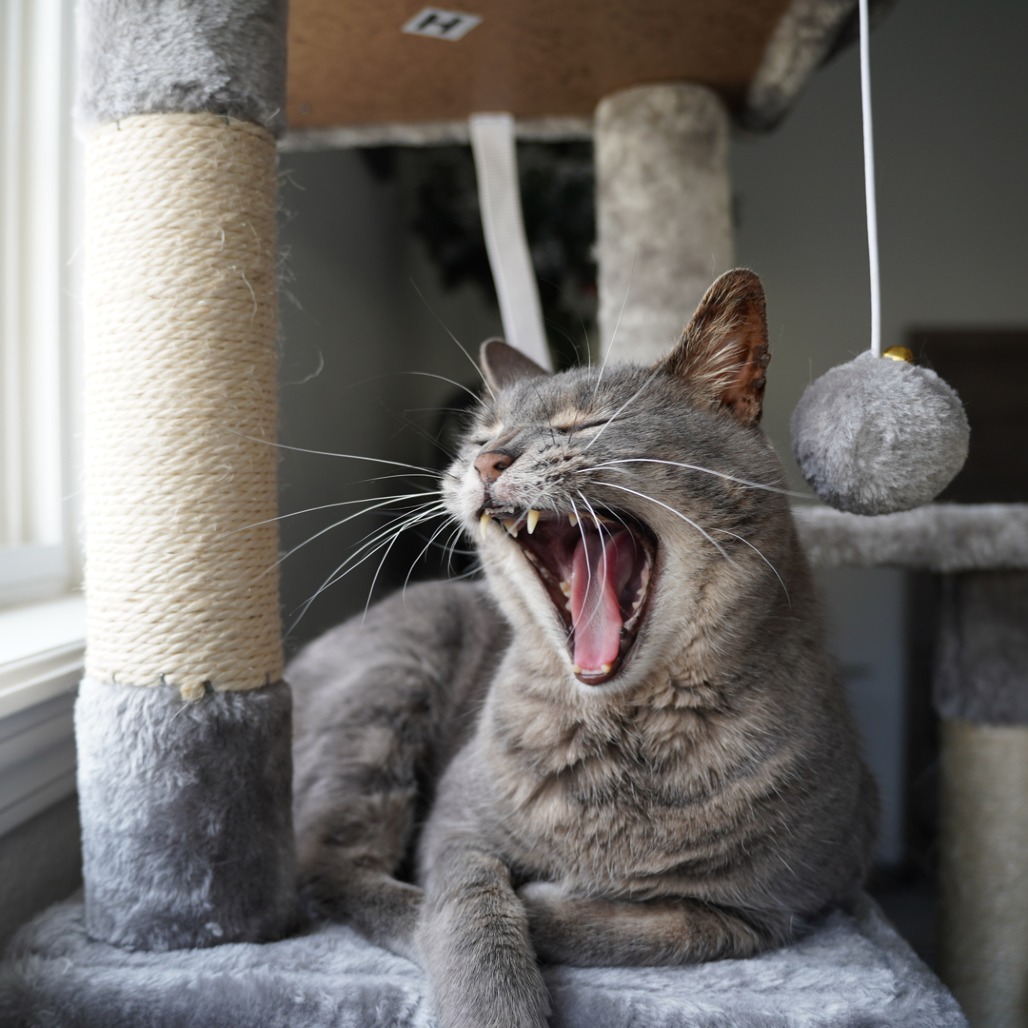
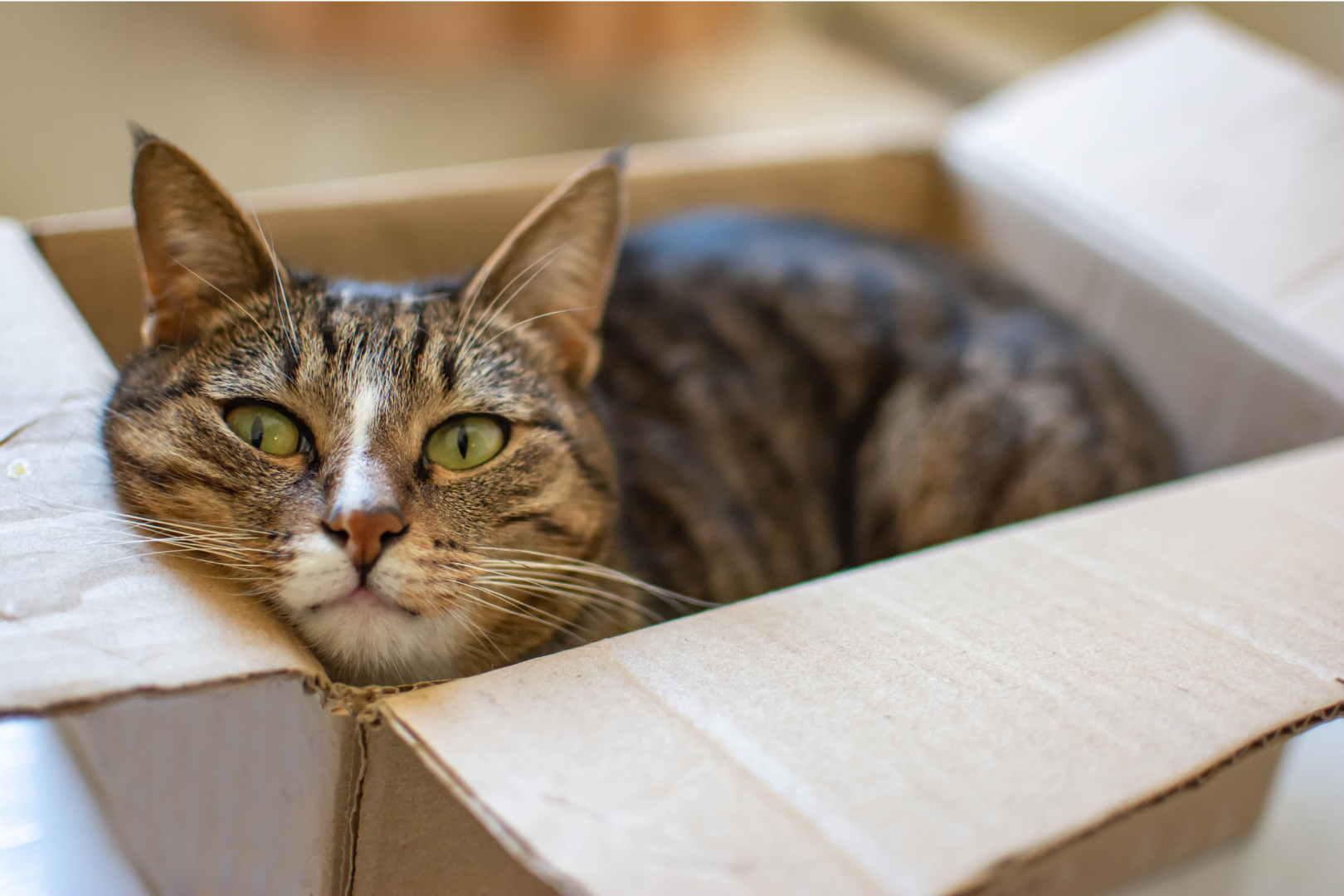
Cats add love, companionship, and a sense of comfort to our lives. They also add a lot of whimsy, silliness, and charm through their everyday behaviors and natural instincts. This article highlights five common quirky behaviors cats exhibit and explains why they do them. It also discusses one common behavior that can be harmful to your cat’s health and may require medical attention or lifestyle changes.
In most areas of CCS, we spot-clean daily and deep-clean weekly to help preserve the cats’ familiar scents on bedding and furniture they’ve rubbed their faces against. This reduces stress and allows them to feel safe and comfortable.
Simply chewing on these items isn’t a major concern, but accidentally or intentionally swallowing them can cause intestinal blockages which can be life threatening.To deter this behavior, switch up their feeding style, keep the non-food items out of reach, and provide alternative safer chewing treats or toys. Because pica can be caused by so many different things, it’s also recommended to consult with your veterinarian to help identify your specific cat’s potential contributing health issue.
If your cat has consumed any non-food items or you suspect they have, contact your veterinarian right away. Signs include vomiting, diarrhea, constipation, lethargy, and reduced appetite.
Every cat has their idiosyncrasies, but many of their quirks are rooted in innate behaviors that have been passed down from their ancestors, helping them to survive for thousands of years. Understanding the “why” behind these behaviors isn’t just fun trivia, it can also help you improve communication with your cat, create an environment that supports their wellbeing, and identify when a behavior may be a health concern that needs further investigation. When a cat zooms across the room, brings you a favorite toy, or gives you a little head bunt, they’re simply being themselves, and each moment is a special opportunity to strengthen the bond you share.
Check out the Behavior section of our blog to learn even more about why cats do the things they do!
About the Author: Beth Dokolasa is a volunteer for Cat Care Society and serves on the Board of Directors. She is an instructional developer for Natural Grocers and lives in Indian Hills, Colo., with her husband, daughter, and two cats, Techno and Digit.

Cats are known to be curious and that curiosity often extends to the foods around them. While it may be tempting to share table scraps or leave certain foods within easy reach, some common human foods can be toxic to cats. Unfortunately, many of these foods are household staples and may even be hidden ingredients in prepared dishes, making accidental exposure easier than you might think.
Below are some of the foods that pose the greatest risk to cats, along with a few common foods that may not be toxic but can still cause digestive upset and other unpleasant reactions.
The OGs: Onion and Garlic
Onions and garlic, along with their botanical relatives shallots, scallions, chives, and leeks, can severely damage your cat’s red blood cells, causing anemia. Be aware that cooking spices like garlic powder and onion powder are more concentrated, making them even more dangerous. Cats who have consumed these foods often show lethargy, weakness, reduced appetite, pale gums, and orange to dark red urine.
Say “Naw” to Raw Eggs, Meat, and Bones
Just like for humans, consumption of raw eggs or raw meat can lead to Salmonella or E. coli poisoning in cats. Symptoms of the illness vary but can include vomiting, diarrhea, and lethargy. Salmonella and E. coli can also be transmitted from humans, so be careful to properly wash your hands after cooking in addition to keeping your cat away from these raw foods. Raw eggs also contain an enzyme that can lead to skin and coat problems in cats. Raw bones are another no-go as they can cause choking, obstruction in the digestive tract, and/or teeth damage.
Paws Off the Chocolate!
The same part of chocolate that makes it poisonous for dogs (compounds called methylxanthines) is just as toxic for cats. Symptoms after consumption include vomiting and diarrhea, high body temperature, muscle tremors, abnormal heart rhythm, abdominal discomfort, increased thirst, and seizures.
Lemon Be Clear: No Citrus
The stems, leaves, seeds, and peels of citrus fruits (oranges, limes, grapefruits, lemon, etc.) all pose health concerns for cats. The citric acid and essential oils they contain can be irritating to your cat’s nervous system, leading to tremors, seizures, or death. If you use essential oil diffusors, choose oils and blends that do not contain citrus. Note that consuming a small amount of a citrus fruit’s flesh is less problematic, at most causing an upset stomach.
You Heard It Through the Grapevine: No Grapes or Raisins
While toxicity is not as common as some of the other foods discussed, feeding your cat grapes and raisins should be avoided. Some cats demonstrate restlessness, a reduced appetite, and vomiting after eating grapes and raisins, and there is some concern that they also negatively impact kidney health. While the exact compound hasn’t been identified yet, it appears that it’s something in the grape’s flesh that causes health issues for cats.
Water Is the Cat’s Meow—No Caffeine, Alcohol, or Cream
Cats do best with clean, fresh water, as proper hydration is essential for preventing urinary and kidney problems. While dairy products such as milk and cream are not toxic to cats, many cats have difficulty digesting lactose, which can lead to nausea and diarrhea. Caffeine and alcohol, however, should never be given to cats. Caffeine contains methylxanthines, the same toxic compounds found in chocolate, while alcohol can cause serious symptoms, including vomiting, diarrhea, tremors, disorientation, breathing difficulties, and even death.
In addition to keeping poisonous foods out of reach, it’s also important to keep toxic houseplants and flowers out of the home. Check out our other blog article on safe and toxic flora.
Always call your vet for guidance if you have concerns over something your cat consumed or potentially consumed. If it’s after hours, their answering machine message may include a local emergency number. Additionally, the ASPCA offers a 24/7 Poison Control number (888-426-4435), but note that a consultation fee may apply.
About the Author: Beth Dokolasa is a volunteer for Cat Care Society and serves on the Board of Directors. She is an instructional developer for Natural Grocers and lives in Indian Hills, Colo., with her husband, daughter, and two cats, Techno and Digit.
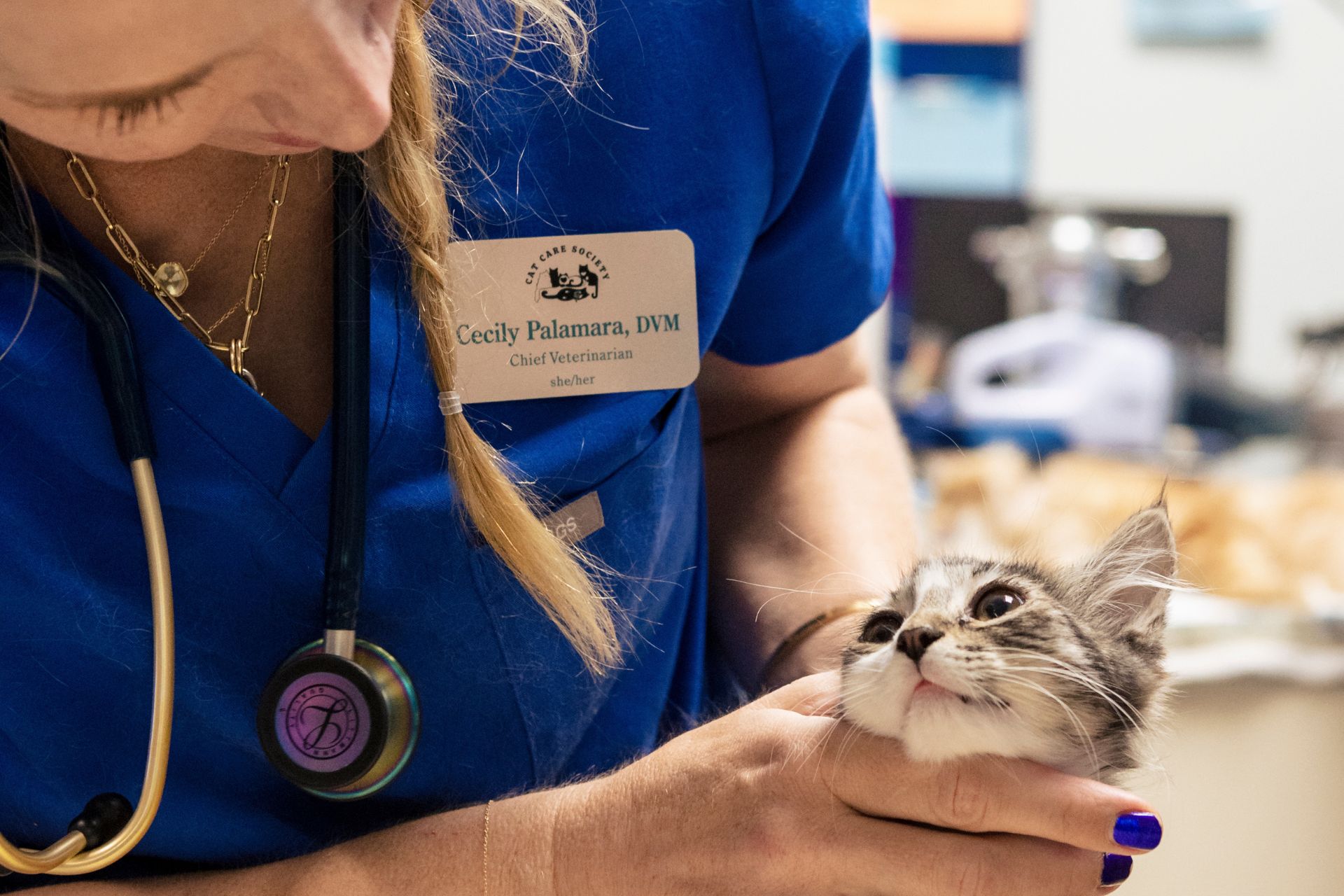
Just like humans, cats can suffer from a variety of allergies, including food allergies, environmental allergies, and flea hypersensitivities (an intense reaction to the proteins in flea saliva). While allergies are relatively common in cats, managing symptoms and identifying the underlying cause can be a long and often complex process, especially in a shelter environment, where many cats arrive without a known medical history.
At Cat Care Society (CCS), our veterinary team works to provide relief, improve quality of life, and help cats with allergies find loving homes. In a Q&A, Dr. Cecily Palamara, Cat Care Society’s Chief Veterinarian, answered a series of questions about cats with allergies, including the approach CCS uses to best support the cats and educate potential adopters to set them up for success.
What are the most common symptoms you see that indicate a cat may have an allergy?
Dr. Cecily Palamara: The most common symptoms we see in cats are overgrooming of the fur (which often causes hair loss), self-trauma/biting at the skin/fur, wounds, itchiness/frequent scratching, and scabbing/dermatitis associated with overgrooming and self-trauma.
Note: If these symptoms sound familiar and you suspect that your cat has an allergy, talk to your vet or visit our Veterinary and Medical Services resource page to find a vet for support. Also, check out other CCS blog posts related to cat health and medical care to stay informed about your cat’s wellness.
What are the steps taken at the shelter/veterinary care levels to address suspected allergies?
Dr. Cecily Palamara: The shelter approach to feline allergies is directed at alleviating symptoms rather than definitively diagnosing the underlying cause. When one of our vets suspects allergies in a patient (either food allergies, environmental allergies, and/or flea allergies), we focus on quick relief.
Any cat noted to have a history of severe skin issues or noted to have skin issues on intake to CCS (scratching, biting, scabbing, hair loss, etc.), receives a DVM exam (a comprehensive exam performed by a Doctor of Veterinary Medicine) to determine next treatment and diagnostic steps. We first rule out parasitic causes via skin scrapings and skin cytologies to rule out demodex (a mite) or other parasites, and all cats (regardless of skin condition) are treated with a topical antiparasitic upon arrival to CCS. Sometimes additional diagnostics, such as bloodwork and/or skin biopsies, are pursued depending on the appearance and severity of the skin lesions. If a CCS veterinarian suspects underlying allergies as a cause of the skin issues, the cat is usually started on the following:
Sometimes we will also concurrently start a shorter course of corticosteroids to get itchiness and inflammation under control more quickly, as the Atopica takes longer to take effect.
We do not perform specific allergen testing or treat with immunotherapy (this is sometimes recommended by dermatologists for diagnosis and treatment) as this is outside of our scope and would not often change the course of our in-shelter treatment.
How long does it typically take to get the allergy and its symptoms under control?
Dr. Cecily Palamara: Typically, it takes between 1-3 months for us to start seeing a positive response to treatment. Our suspected allergy cats are one of our longest stay cohorts of patients because we want to make sure that they are comfortable, well-managed on medication and diet, and have good quality of life prior to making them available for adoption. This takes time, frequent medication and diet adjustments, and frequent rechecks to assess response to treatment. Whenever available, we try to send these cats to a foster home while we await a response to treatment. We have had excellent success with our allergy cats, with only 1-2 cats in the last 4 years having a poor or inadequate response to treatment. One of these cats was referred to a dermatologist while in care for additional treatment suggestions and ended up having a successful adoption despite the individual challenges of her condition.
What is the most challenging part of working with cats who may have an allergy?
Dr. Cecily Palamara: The most difficult aspect of working with allergy cats is that they can be challenging to adopt out and typically have longer lengths of stay in shelter, even when they demonstrate a great response to treatment. We feel for these cats when they stay with us long term, often with no visible symptoms of allergies due to adequate medical management; their history and need for additional care can be a deterrent for prospective adopters. Our main goal and what makes us fulfilled as shelter workers is to find adoptive homes for these cats, so seeing them have longer stays in-shelter can be difficult.
The majority of our allergy cats show excellent response to care but will also need a dedicated guardian to provide lifelong care with diet, medication, frequent vet visits, and vet-supervised treatment/medication adjustments. This is why we try to achieve adequate management of symptoms prior to making these cats available, so that we can show potential adopters that management is possible with appropriate care. Most of our allergy cats require a DVM consult prior to adoption to discuss the complexity of care, the CCS approach to treatment, what long term care might look like with their veterinarian, and potential associated costs. We also provide one month of free medication and prescription diet to adopters of allergic cats.
Very rarely do we see cats that show a poor response to our in-shelter treatment approach. Those cats can be intensive to manage as they need more frequent medication additions and adjustments to manage quality of life.
For people considering adopting a cat with allergies, what should they know about allergy management and flare-ups?
Dr. Cecily Palamara: Our adopters should know that allergies (regardless of underlying cause) are often a life-long condition and will require more frequent vet visits and medication adjustments. CCS staff and veterinarians do our best to set adopters up for success with medication, special diet, and often a medical consultation to discuss what long term care will look like. These cats are incredibly rewarding to treat and make amazing companions when managed appropriately. Several of our adopters of allergic cats have disclosed that they have allergies or other medical conditions themselves and are empathetic to our allergy cats’ needs.
With the right care plan and a dedicated caregiver, cats with allergies can live happy, healthy lives and be the purrfect companions. At CCS, we are committed to providing these cats with the time and medical care they need before adoption while equipping adopters with knowledge and resources to help their new family members thrive at home.
About the Author: Beth Dokolasa is a volunteer for Cat Care Society and serves on the Board of Directors. She is an instructional developer for Natural Grocers and lives in Indian Hills, Colo., with her husband, daughter, and two cats, Techno and Digit.
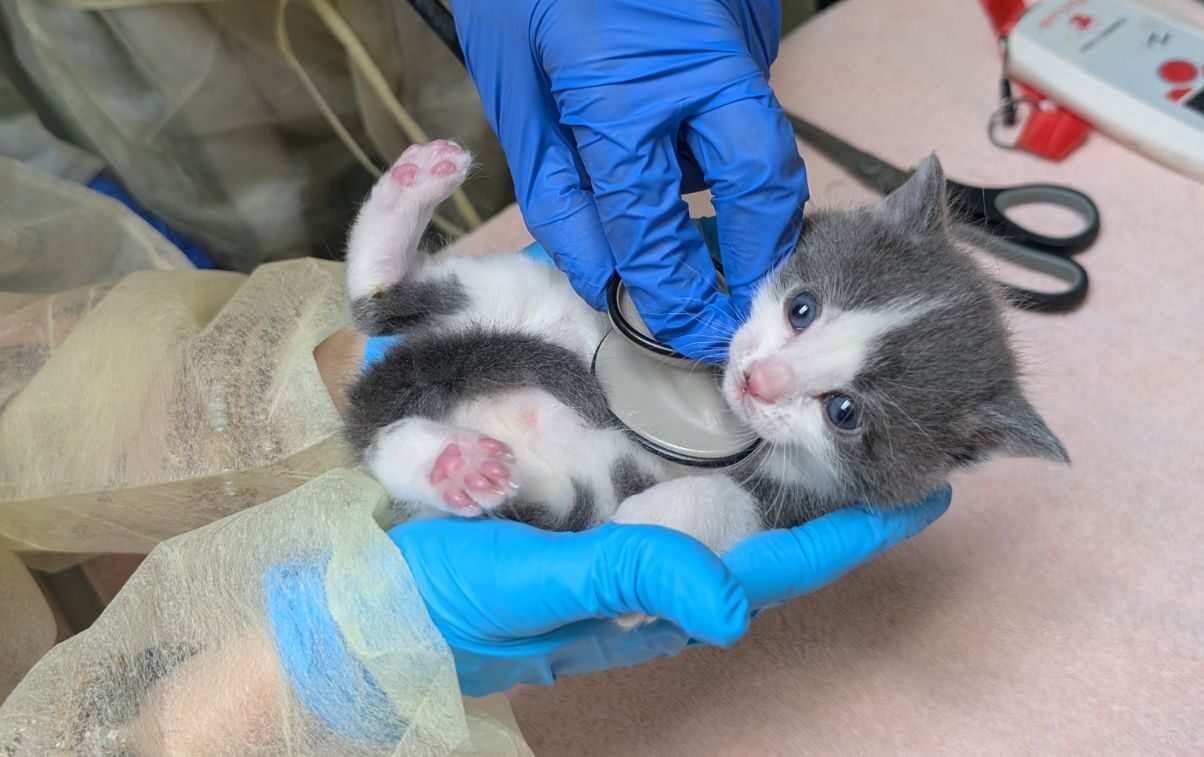
Every spring, animal shelters prepare for kitten season, the time of year when an influx of newborn litters arrive. Though kittens are small, they often require a large portion of shelter resources, from medical care and supplies to staff and foster time. At CCS, we’re known for taking in cats of all ages who might not have a chance anywhere else due to complex medical conditions or other special needs. Kitten season is no exception.
Traditionally, cats reproduce when days lengthen and temperatures rise. But in recent years, shelters across the country have observed kitten season starting earlier and lasting longer. Milder winter temperatures are increasingly being viewed as a primary cause for several reasons. When winters are less harsh, more cats survive—and they begin reproducing sooner. Increased access to food and shelter during warmer conditions also supports higher survival rates for kittens. Additionally, warmer winters boost kitten visibility by drawing more people outdoors, leading to more kittens being noticed and brought to shelters.
All of this results in a longer breeding window, more litters being born, and more kittens arriving at shelters. And because cats can have multiple litters in a single season, the population growth can quickly become overwhelming.
Kittens have underdeveloped immune systems and gastrointestinal tracts, making them highly susceptible to contagious illnesses. Kittens from the same litter are housed together, which means even a minor illness can quickly spread, requiring intensive medical care, isolation protocols, and round-the-clock monitoring.
Beyond this, caring for neonatal kittens (0 to 4 weeks old) that do not have their mother present adds another layer of complexity. These kittens require bottle feeding every few hours, temperature regulation, and constant supervision to ensure their safety and wellbeing. Additionally, the most critical socialization period for a cat is from 2-9 weeks of age, and frequent contact with humans during this time plays a key role in shaping a kitten’s friendliness, trust, and ability to bond with people.
Kitten season doesn’t just increase the number of cats in care—it also multiplies the demands on every part of a shelter’s operation, including:
The overall financial impact is substantial, especially since kittens must stay in care until they’re old enough for adoption. In 2025, Cat Care Society spent a significant amount caring for more than 350 kittens. This included over $7,000 on personal protective equipment (PPE) alone, such as disposable gloves, gowns, shoe covers, and face protection. While not a glamorous expense, PPE is critical for protecting vulnerable kittens and preventing the spread of contagious illness.
Beyond the financial strain, kitten season also takes an emotional toll on staff and volunteers. The constant influx of fragile animals, combined with often high-stakes, urgent care they require, can often be overwhelming. Ensuring consistent access to necessary supplies and PPE helps ease this pressure, allowing caregivers to focus fully on the kittens and feel confident they have everything they need to give them the best possible care. That peace of mind makes a real difference, helping reduce stress and minimize fatigue during one of the busiest and most demanding times of the year.
One of the most effective ways to curb this cycle is through spaying and neutering both pet cats as well as community cats living in colonies. Without intervention, unspayed female cats can go into heat every few weeks during breeding season, producing litter after litter. In addition to population control, spaying and neutering provides cats with health and behavioral benefits making it a practical and caring solution.
Being proactive with spay and neuter efforts is essential for keeping cat populations manageable, which is why Colorado has enacted both state and local legislation to address the issue. All Colorado shelters are required to spay and neuter the cats in their care before adoption (Cat Care Society performed 393 spay/neuter surgeries in FY2025!). If the procedure must be postponed due to health or age, a written agreement must be made to ensure it is completed at a later date. In Denver, all cats over six months old must be spayed or neutered unless the owner obtains an annual permit to keep their cat unaltered.
Trap-Neuter-Return (TNR) is a humane way to trap feral cats, spaying or neutering them, and returning them to their outdoor homes, TNR prevents future litters from being born. TNR doesn’t just reduce the number of kittens entering shelters—it also improves the health of cat colonies and reduces the strain on already overwhelmed systems. Read more about TNR in one of our other blog posts and check out our list of TNR organizations that provide services in the Denver metro area if you’d like to get involved or need support.
Throughout the month of May, we’re running a dedicated campaign to help cover the costs of medical treatment, supplies, and nutrition that come with kitten season. With your support, we aim to raise $10,000 to help as many kittens as possible receive the care they need to thrive.
We also maintain registries on Amazon and Chewy where anyone can shop and donate critical supplies like kitten formula, bottles, heating pads, blankets, cleaning supplies, disinfectants, and more.
Supporting TNR programs, fostering kittens, spreading awareness, ensuring your current pets are spayed or neutered, and adopting from shelters are also key ways our community can help reduce the impact of kitten season.
Kitten season will always be inevitable to some degree, which is why CCS is always looking at ways to make it less overwhelming while maintaining our high standards of care. With proactive strategies, community support, and continued education, we can help create a future where fewer kittens are born into crisis—and more have the chance to thrive.
About the Author: Beth Dokolasa is a volunteer for Cat Care Society and serves on the Board of Directors. She is an instructional developer for Natural Grocers and lives in Indian Hills, Colo., with her husband, daughter, and two cats, Techno and Digit.
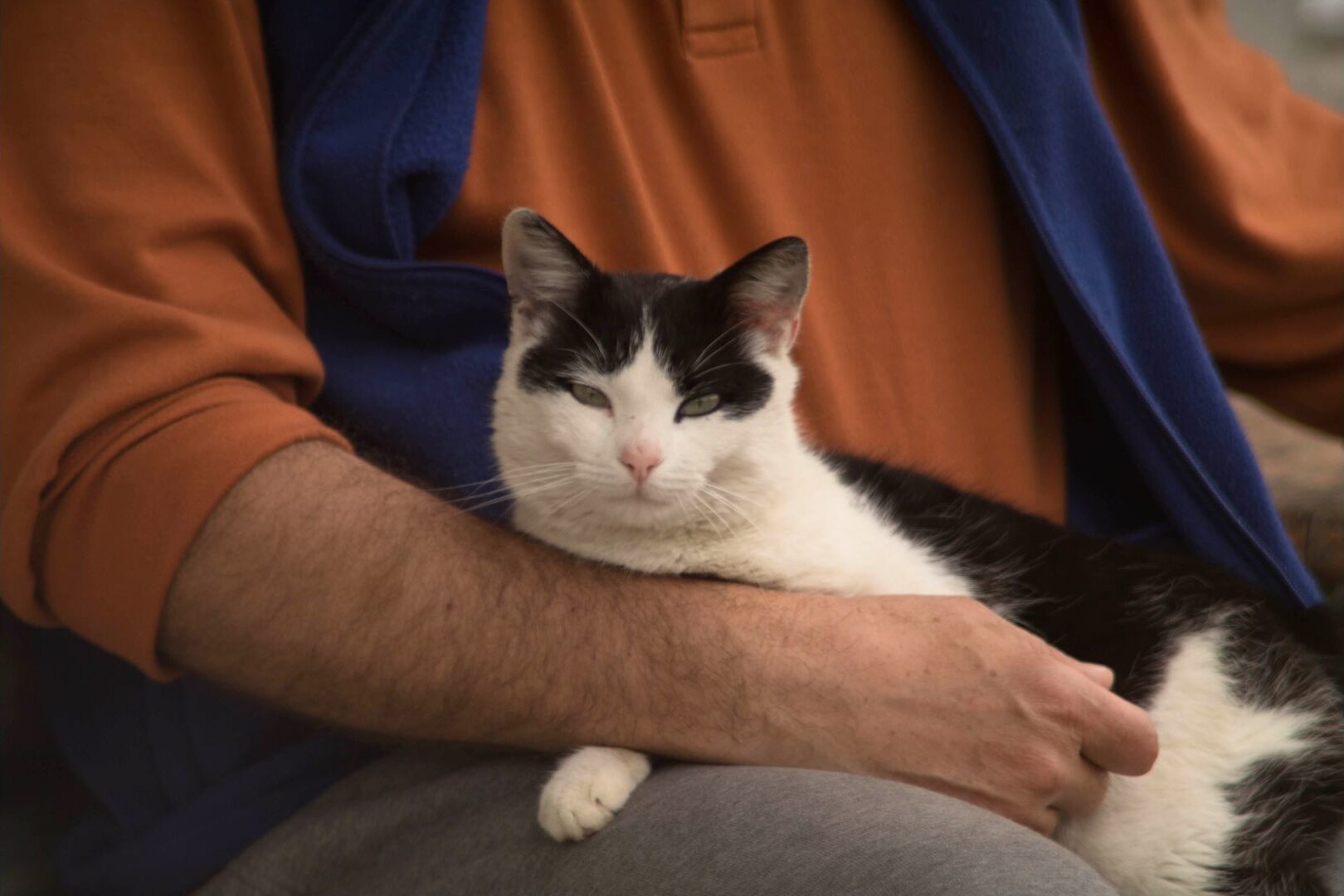
Cats are so much more than cute companions; they can be emotional lifelines, especially during challenging periods of life. In times of upheaval, a cat’s presence can offer stability, purpose, and unconditional love that many people rely on to stay resilient. Research shows that interacting with animals has real benefits, from reducing stress hormones and lowering blood pressure to easing loneliness and boosting mood through the release of dopamine and serotonin. Even simple interactions like petting or playing can calm the nervous system and provide comfort that’s hard to put into words. Maintaining this relationship is equally important for the cat, as they form strong, loving bonds with their owners and feel safe and comfortable in a familiar environment.
Unfortunately, many people feel they have no choice but to give up their cats during difficult periods in their lives. For cats, surrender means more than losing their home, it also means losing the family and routine that helps them feel secure. This sudden disruption can be deeply traumatic, often causing emotional and physical stress for the cat while leaving the owner with grief, guilt, and heartbreak. It’s a painful outcome for both.
Note: We understand that there are times when surrendering a cat is the best option. When that happens, we warmly accept those cats without judgment and provide them with veterinary care, a premium diet, enrichment, and loving human interaction.
Pets elevate our lives in countless ways, yet far too many households feel forced to give up their pets each year. According to recent research, close to two million owners re-home dogs and cats annually, not because they don’t love them, but because of circumstances that make care feel impossible.
Because these challenges are so common—and often temporary—Cat Care Society provides community support and proactive programs that address the root causes of surrender.
Nibbles & Kibbles
The CCS Nibbles & Kibbles emergency food bank offers free cat food and supplies to people experiencing financial challenges. This longstanding program helps owners continue to care for their cats, who may be one of their few comforts during times of hardship. The pantry is open for free to community members in need on the first or third Saturday of every month between 10 a.m. and noon. In FY2025, 1,000 cats and 300 families were served through our emergency food pantry.
Temporary Care Program
Our Temporary Care Program provides shelter, veterinary care, food, and enrichment to cats for up to 30 days while their owners find their footing after an unexpected event, including home foreclosure, domestic violence, temporary homelessness, or an extended hospital stay. During times of crisis, it provides peace of mind by ensuring that beloved cats are safe, cared for, and ready to return home when their owners are able. In FY2025, 64 cats and their families were supported through our Temporary Care Program.
Health and Behavior Programs and Resources
By helping people through difficult moments, we reduce permanent surrenders and ensure more cats can remain where they belong—at home. By reducing surrenders, we also free up valuable shelter space and resources so we can provide care for even more cats who truly have nowhere else to go.
We are able to offer these programs in large part because of our amazing CCS community. Because of our generous donors, in-kind donations that can’t be used in the shelter are allocated to Nibbles & Kibbles. Examples include opened bags of food/treats, gently used towers/toys that we can’t sanitize properly in the shelter, and harnesses/collars. If you have extra cat items, bring them by during open shelter hours and leave them in the designated donation area in the lobby (be sure to remember your donation receipt). Check out the list of new and gently used items that we are able to accept. Every bag of food, bag of litter, and donated supply helps ensure that the cats in our care—and in our community—have what they need to stay healthy and happy.
About the Author: Beth Dokolasa is a volunteer for Cat Care Society and serves on the Board of Directors. She is an instructional developer for Natural Grocers and lives in Indian Hills, Colo., with her husband, daughter, and two cats, Techno and Digit.
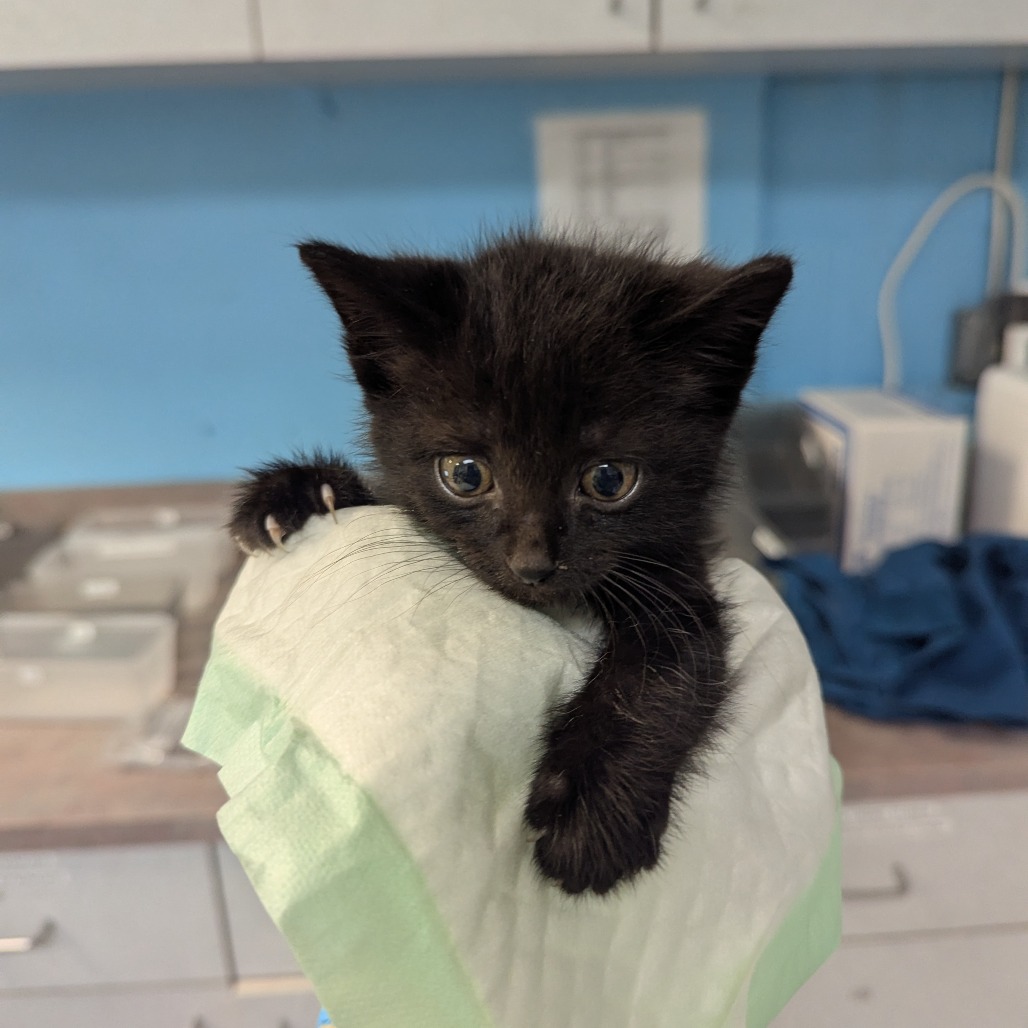


Please include your full name on a gift note when sending donations through Amazon or Chewy, so we can properly acknowledge your generous contribution! Without it, we won’t be able to identify that the items are from you. Also, please keep your shopping receipt, as it serves as your official donation receipt.
Help us clear the shelter and find loving homes for all of our amazing animals!
Cat Care Society is celebrating 45 years of compassionate care for shelter cats. Help us continue that work by donating today!
Together, we can continue caring for cats and supporting families in need.
And it’s not as cute as you think! Kittens require intensive care and are highly vulnerable to illness, placing major strain on shelter resources.
This summer we will provide lifesaving care for 350+ kittens. Kitten season doesn’t slow down. With your help, neither will we.

This is a story about loyalty: a senior cat who chose his person, and a person who stood by him through the hardest chapter of his life.
Place your bids in our silent auction featuring cat-themed sculptures, paintings, pottery, and more!
Bidding will close Saturday, October 18, at approximately 7:30 PM.
The shelter will have a delayed opening Thursday due to shelter maintenance. Thank you for your understanding.
Upcoming events, special announcements, and cute cat photos delivered to your inbox bi-weekly!